Fact: The pizzeria of Raffaele Esposito remains in business to date, bearing a commemorative plaque celebrating the pizza Margherita’s naming.
Pizza Margherita: Basic Information
Pronunciation
Mar−geh−ree−tah(for Margherita)
Alternative Name(s)
Margherita pizza
Dish Type
Pizza
Course
Main Course
Mealtime
Lunch, Dinner
Popular Variations
Pizza Margherita DOP (made with high-quality, locally-sourced ingredients)
Pizza Margherita: Origin and Region
Origin
Italy
Continent’s Region
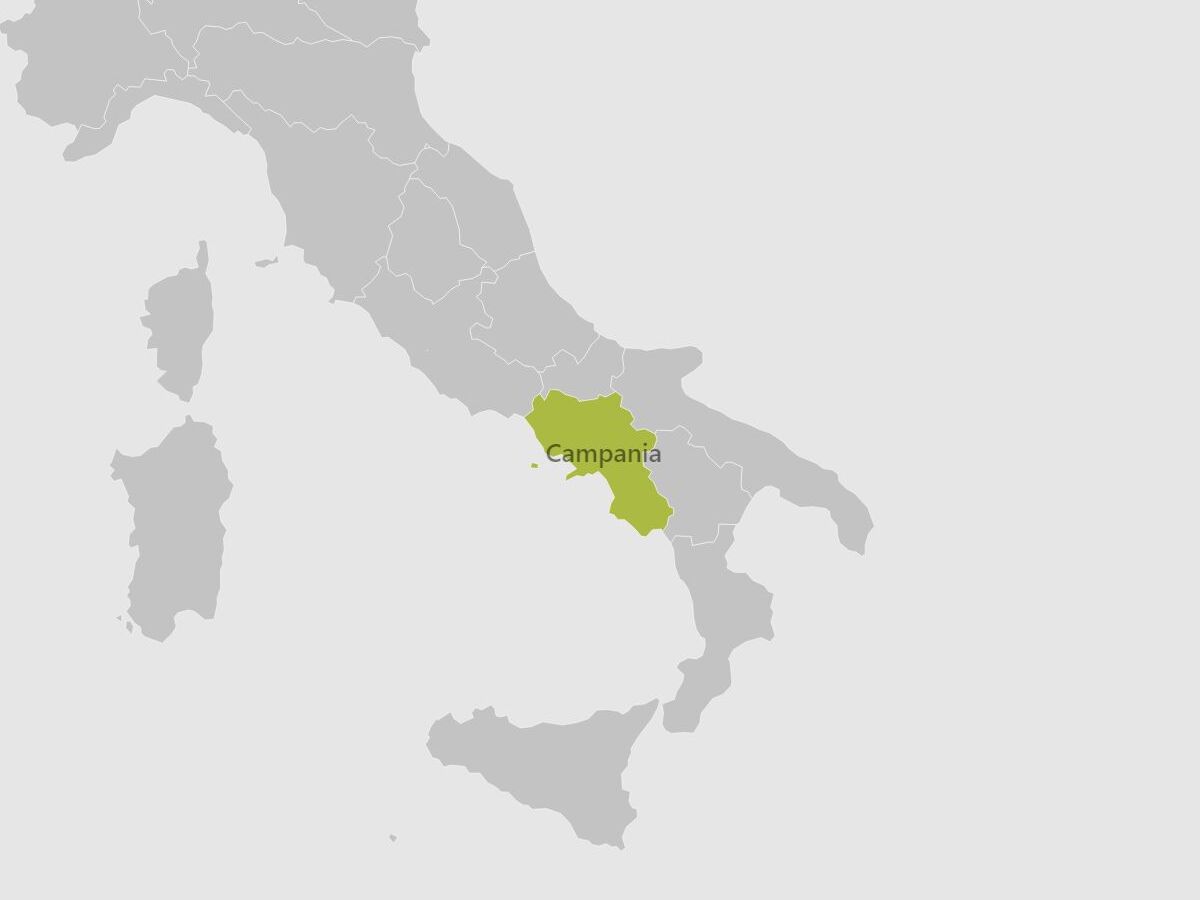
Naples, Campania
Country’s Region
Associated Region
Pizza Margherita: Ingredients and Preparation
Main Ingredients
Pizza dough, San Marzano tomatoes, mozzarella cheese, basil, olive oil
Main Cooking Method
Baking
Preparation Process
Preparing the dough, assembling the pizza, baking the pizza
Pizza Margherita: A Deep Dive
Cultural Significance
Supposedly named after Italy’s Queen Margherita and representing the colors of the Italian flag
Taste
Sweet, tangy, and slightly savory
Texture
Soft, pliable, chewy
Aroma
Cheesy, tomato-y, and slightly herbal
Color
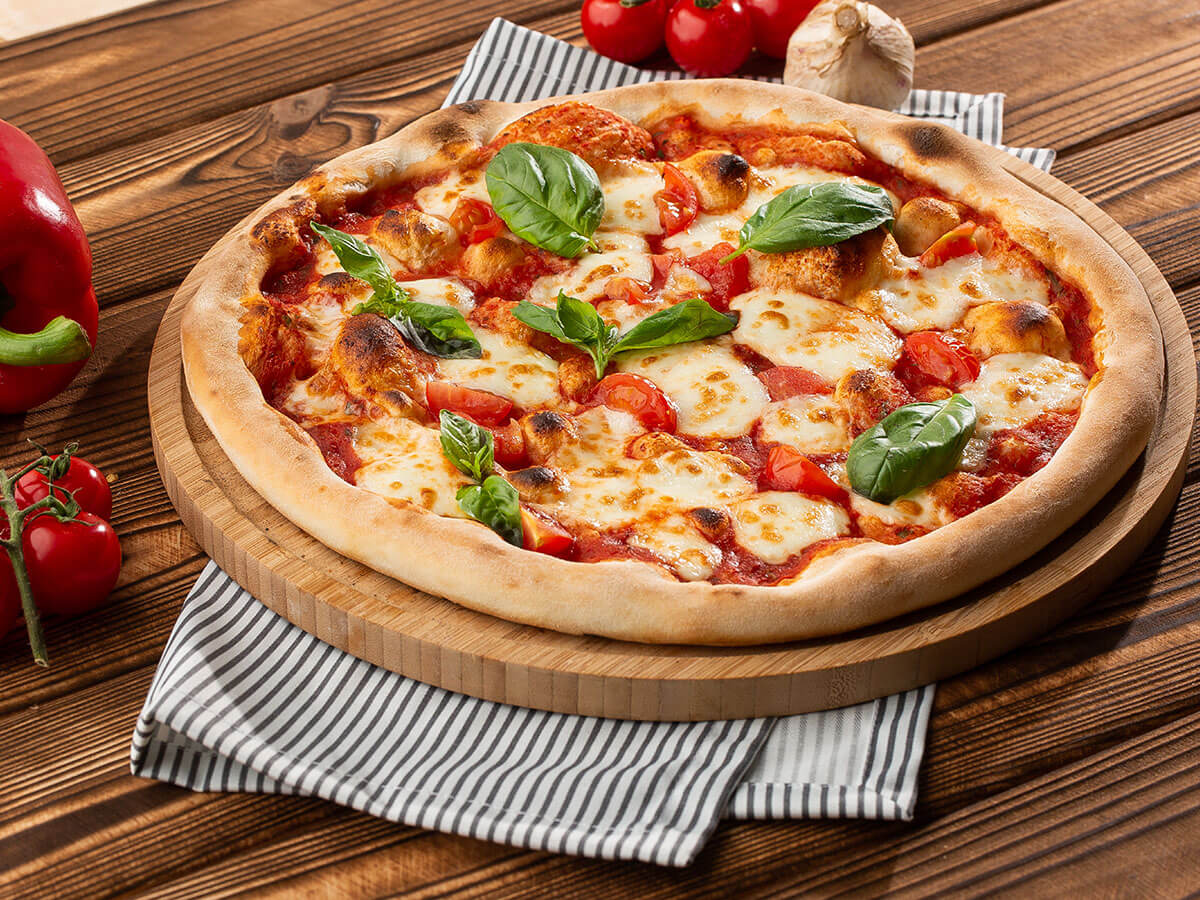
Red (tomato), green (basil), white (mozzarella)
Serving Style
Sliced or unsliced and eaten with a knife and fork
Serving Temperature
Hot or warm
Accompaniment
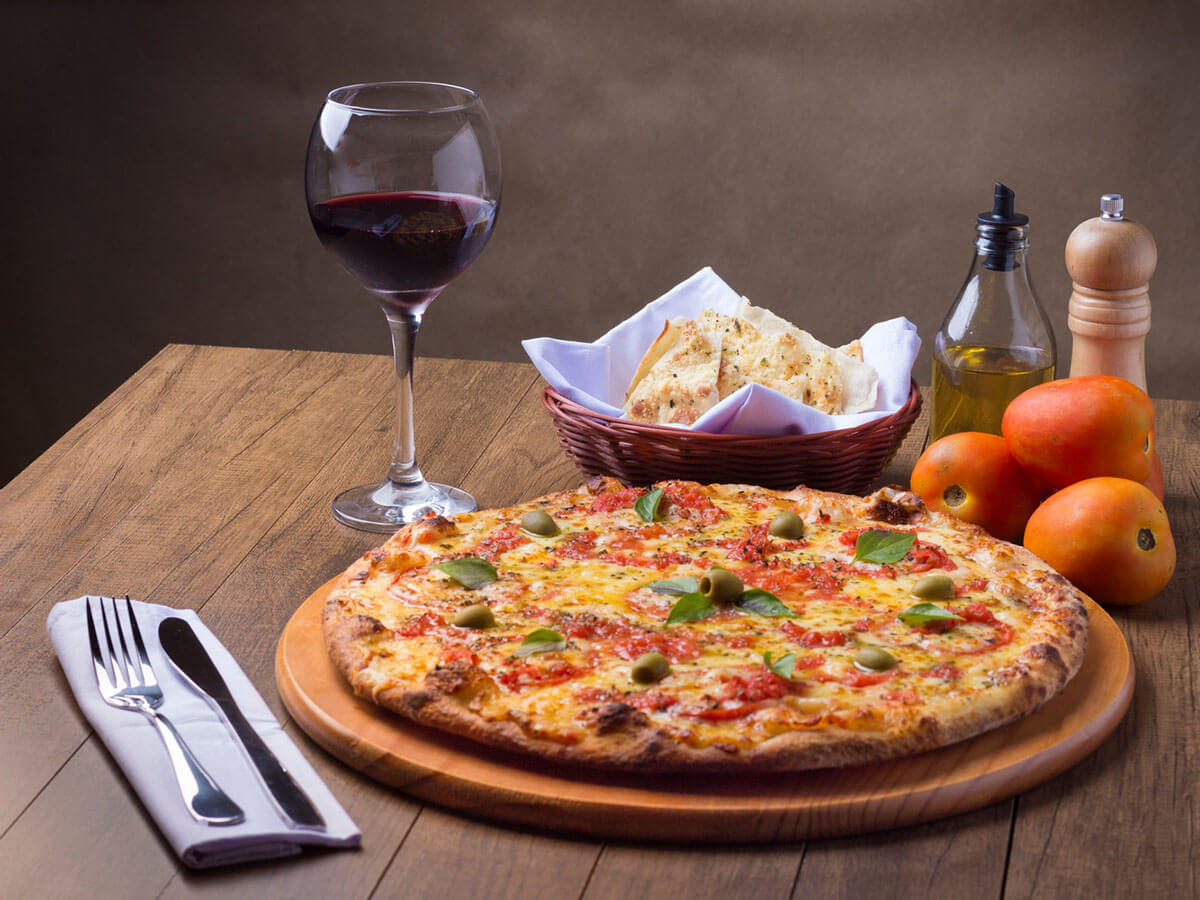
Wine, Italian cocktails, light beer, basil lemonade, citrusy soda
Occasions
Any
Seasons
Special Diets
Calories
170 calories, according to data of Nutritionix for one slice (107 grams)
Popularity
Worldwide (especially in Italy and America)
Popular Similar Dishes
Focaccia
Piadina
Garlic fingers
Pissaladière
Coca
Lahmacun
Pastrmalija
Popular Dining Area
Pizzerias, restaurants, fast food chains, food trucks
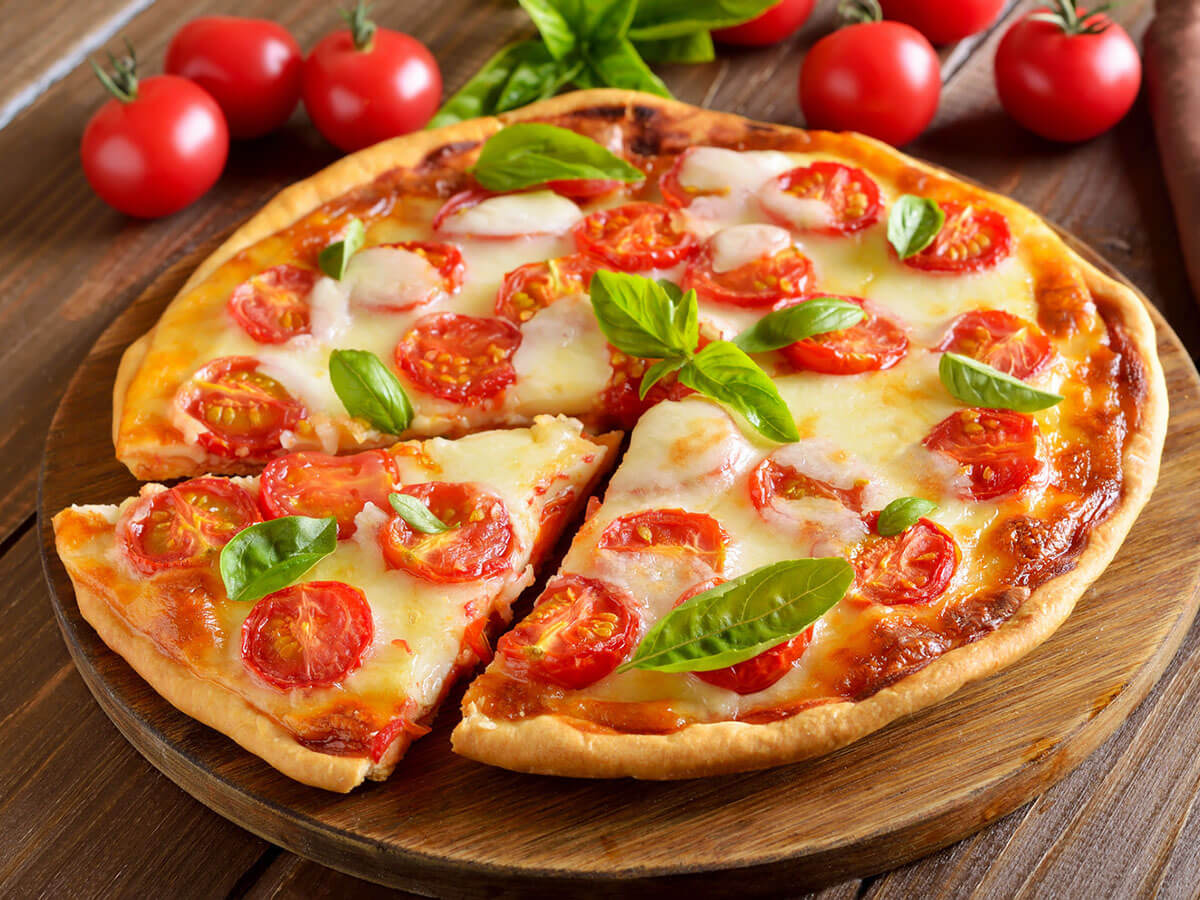
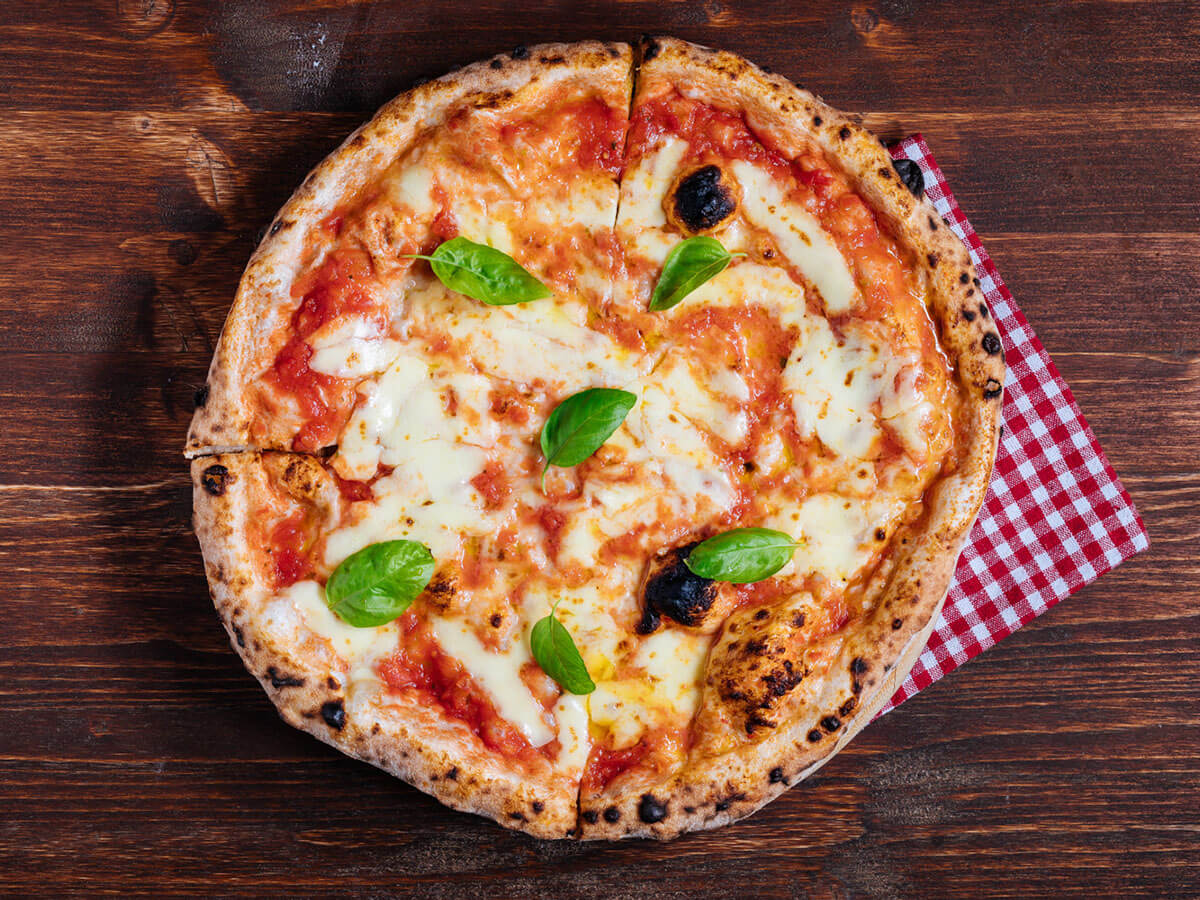
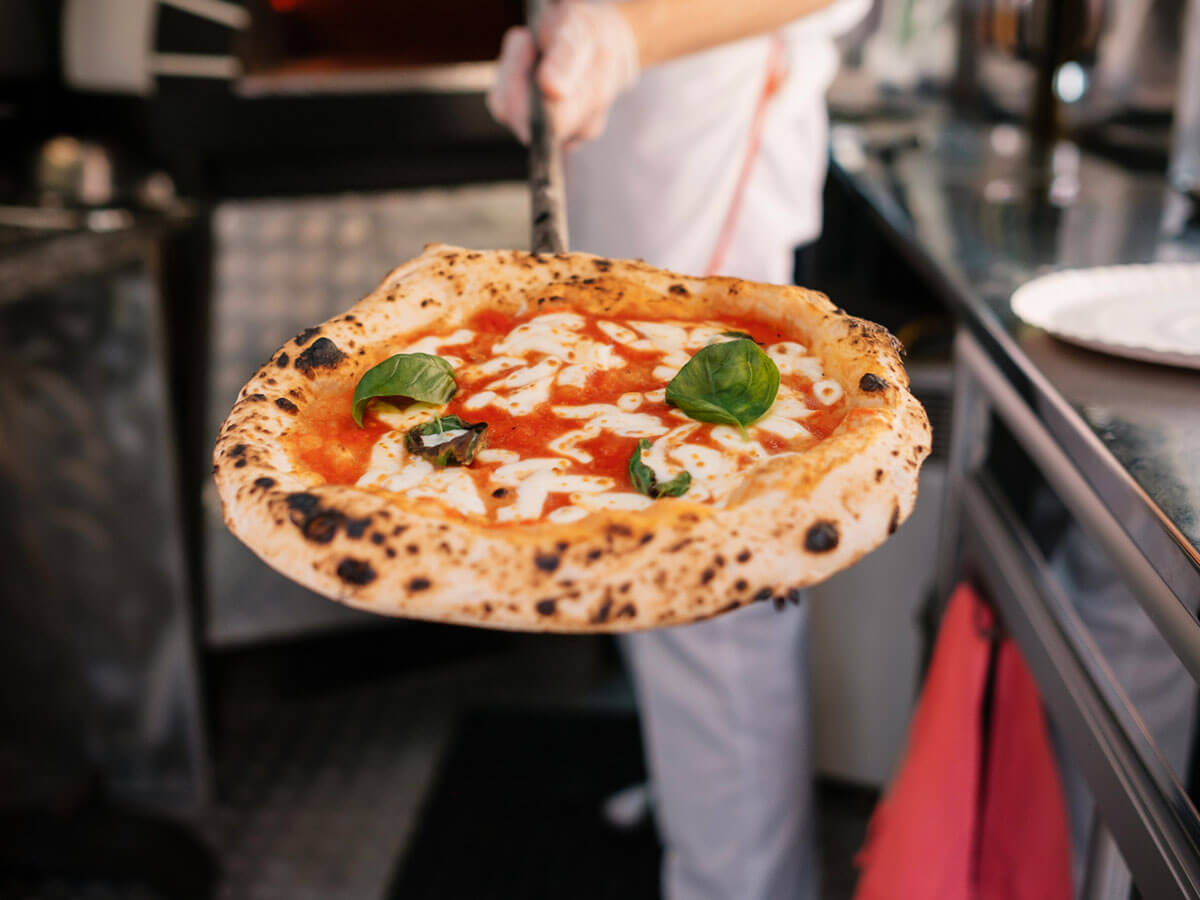
Pizza Margherita, or Margherita pizza, is a famous type of Italian thin-crust pizza hailing from Naples. Besides pizza dough and olive oil, it is made with a red sauce made from crushed San Marzano tomatoes, green basil leaves, and white mozzarella cheese. These three toppings give pizza Margherita the three colors of the Italian flag.
Legend has it that the renowned Neapolitan pizza maker Raffaele Esposito created pizza Margherita in 1889 to honor Queen Margherita of Italy, who was visiting Naples’ Capodimonte Palace then. She praised how the pizza emulated the Italian flag, and her name was later associated with it.
However, many experts doubt this story since the name Margherita only entered widespread usage in the 1930s – 1940s. In addition, the application of tomatoes, basils, and thinly sliced mozzarella had been popular in Naples long before Queen Margherita’s visit.
Still, the tale remains popular in food histories and tourist guides, giving pizza Margherita a wonderful royal vibe. There are more interesting facts I want to tell you about this specialty, like its pros and cons, common questions about it, and similar pizza dishes.
Key Points
Pizza Margherita derived its name from an Italian queen, though its origin story is in doubt.
Pizza Margherita is a simple yet famous pizza dish from Naples.
Pizza Margherita consists of tomatoes, basil, and mozzarella, which mimic the colors of the Italian flag.
Below is a brief list of the advantages and disadvantages of pizza Margherita.
Pros
Simplicity: Compared to other types of pizzas, pizza Margherita features relatively fewer and easier-to-find ingredients, allowing the flavors of each component to shine through.
Tradition: Pizza Margherita has a storied history and strong connections with Italy, carrying the colors of the Italian flag.
Nutritional balance: A Margherita pizza is generally low in saturated fats due to not having meats and extra cheeses. The tomatoes provide vitamins and antioxidants, and the mozzarella offers protein and calcium.
Widespread appeal: The simple and fresh flavors of pizza Margherita are suitable for children and adults following various diets.
Cons
Satiety: Some might find Margherita pizza less satiating than variations with more toppings.
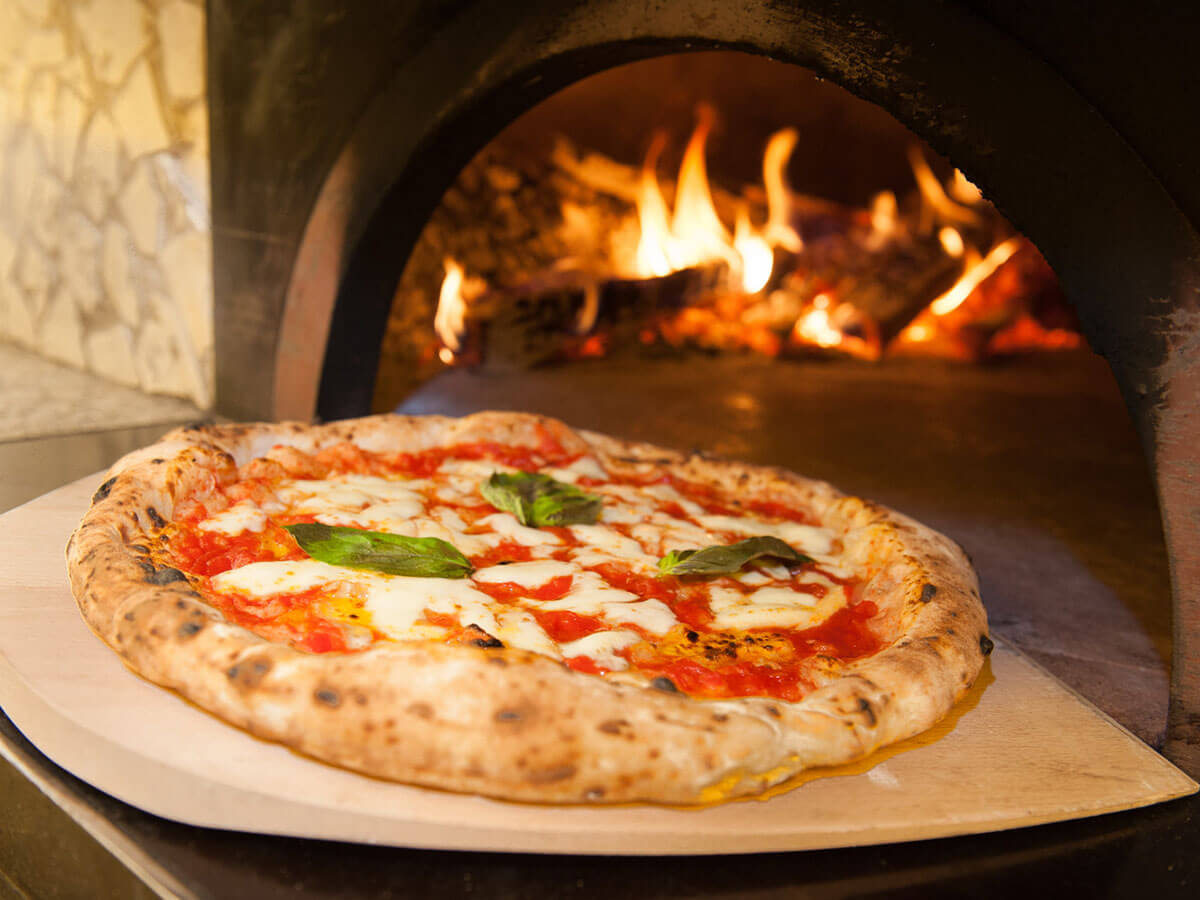
Cooking skill involved: Pizza Margherita can come off as bland or soggy if the balance of the ingredients is off or the pizza isn’t baked in a high-temperature oven or stone.
Limited toppings: For those who love a variety of textures and flavors on their pizza, pizza Margherita might seem too basic.
After understanding the pros and cons of pizza Margherita, why don’t you check out the FAQs to improve your knowledge of this type of pizza?
Pizza Margherita FAQs
Yes, pizza Margherita is generally halal if they use fresh mozzarella that doesn’t contain rennet. However, in case the pizza consists of mozzarella made with rennet, the rennet must come from a calf slaughtered according to Islamic rites. Therefore, always check for halal certification to make sure.
Yes, authentic pizza Margherita made with high-quality tomatoes, basil, and mozzarella is typically better than pizzas with toppings high in saturated fats.
Yes, pizza Margherita is suitable for any vegetarian diet that accepts cheese. However, it isn’t vegan.
No, pizza Margherita doesn’t have alcohol.
Excellent wine pairings for Margherita pizza are light or medium-bodied wines like rosé, Pinot Grigio, Sangiovese, Metodo Classico, and Grenache wine.
No, canines can’t consume pizza Margherita since this type of pizza sometimes has garlic in the tomato sauce, which is a harmful ingredient for dogs.
University of Gastronomic Sciences – Pollenzo (Italy) (MA Food Culture, Communication & Marketing)
Johnson & Wales University (US) (Baking and Pastry Arts)
Professional Bartender at HNAAu School (Vietnam, International Joint Training Program)
Adam Sam, an experienced food writer and recipe developer, is passionate about blending diverse culinary traditions, national dishes, and innovative beverages, showcasing his proficiency in both traditional and modern recipe testing.
As the Editor-in-Chief, he elevates culinary content from street food to fine dining, focusing on Western cuisine and types of drinks at azcuisines.com, and is professional in creating engaging cooking videos that simplify complex dishes and ingredients.
His passion for food is evident in his writing, where he uniquely merges various cultures, traditions, and contemporary trends, skillfully combining classic recipes with modern cooking methods.
Adam Sam
Senior Food and Drink Editor
Expertise
Food Writer & Recipe Developer, Recipe Tester, Bartender, Cooking-video Maker, Editor In Chief
Education
Adam Sam, an experienced food writer and recipe developer, is passionate about blending diverse culinary traditions, national dishes, and innovative beverages, showcasing his proficiency in both traditional and modern recipe testing.
As the Editor-in-Chief, he elevates culinary content from street food to fine dining, focusing on Western cuisine and types of drinks at azcuisines.com, and is professional in creating engaging cooking videos that simplify complex dishes and ingredients.
His passion for food is evident in his writing, where he uniquely merges various cultures, traditions, and contemporary trends, skillfully combining classic recipes with modern cooking methods.