

 #102 in Vietnam
Sương Sáo Hạt É: Basic Information
Pronunciation
Alternative Name(s)
Dish Type
Course
Mealtime
Popular Variations
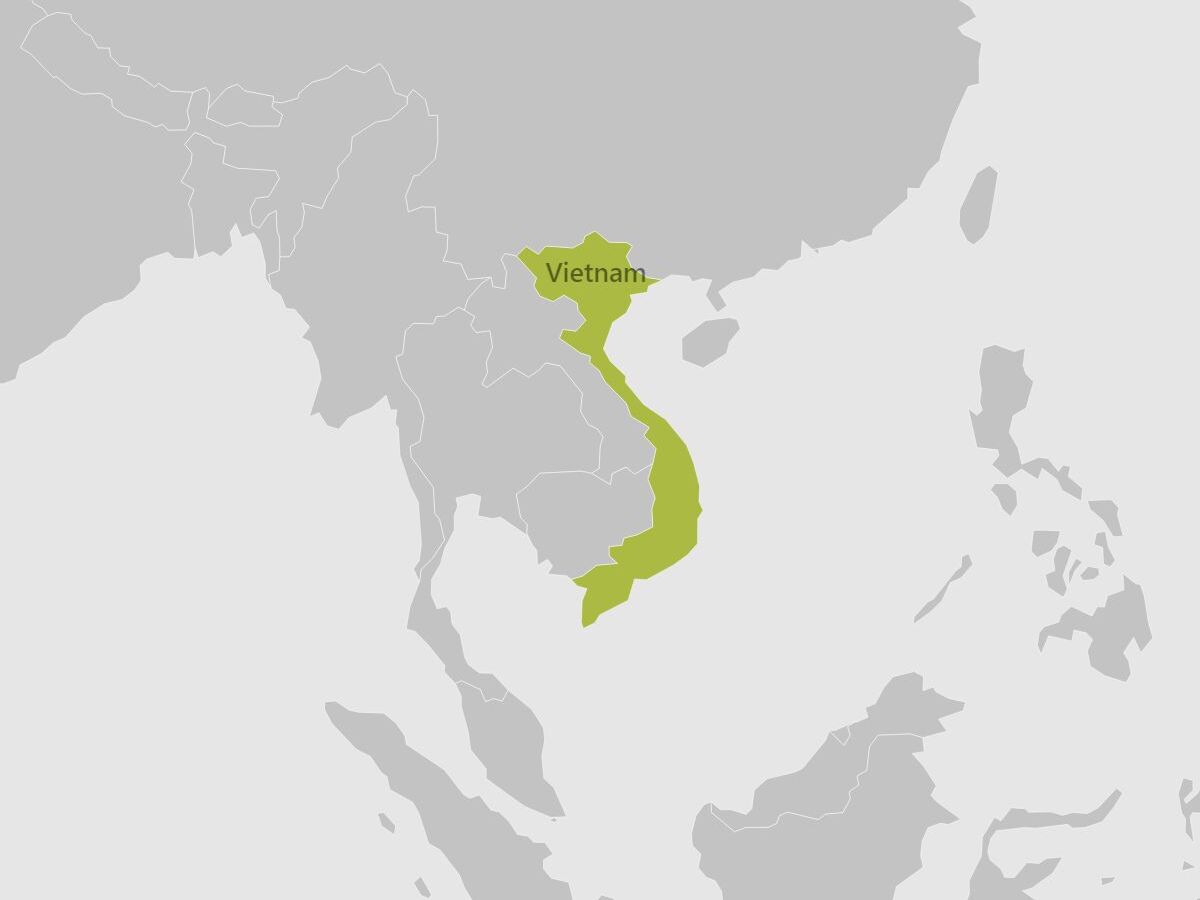
Sương Sáo Hạt É: Origin and Region
Origin
Continent’s Region
Country’s Region
Associated Region
Sương Sáo Hạt É: Ingredients and Preparation
Main Ingredients
Main Cooking Method
Preparation Process
Sương Sáo Hạt É: A Deep Dive
Cultural Significance
Taste
Texture
Aroma
Color
Serving Style
Serving Temperature
Accompaniment
Occasions
Seasons
Special Diets
Calories
Popularity
Popular Similar Dishes
- Thạch Sương Sáo
- Sương Sa Hạt Lựu
- Chè Ba Màu
Popular Dining Area
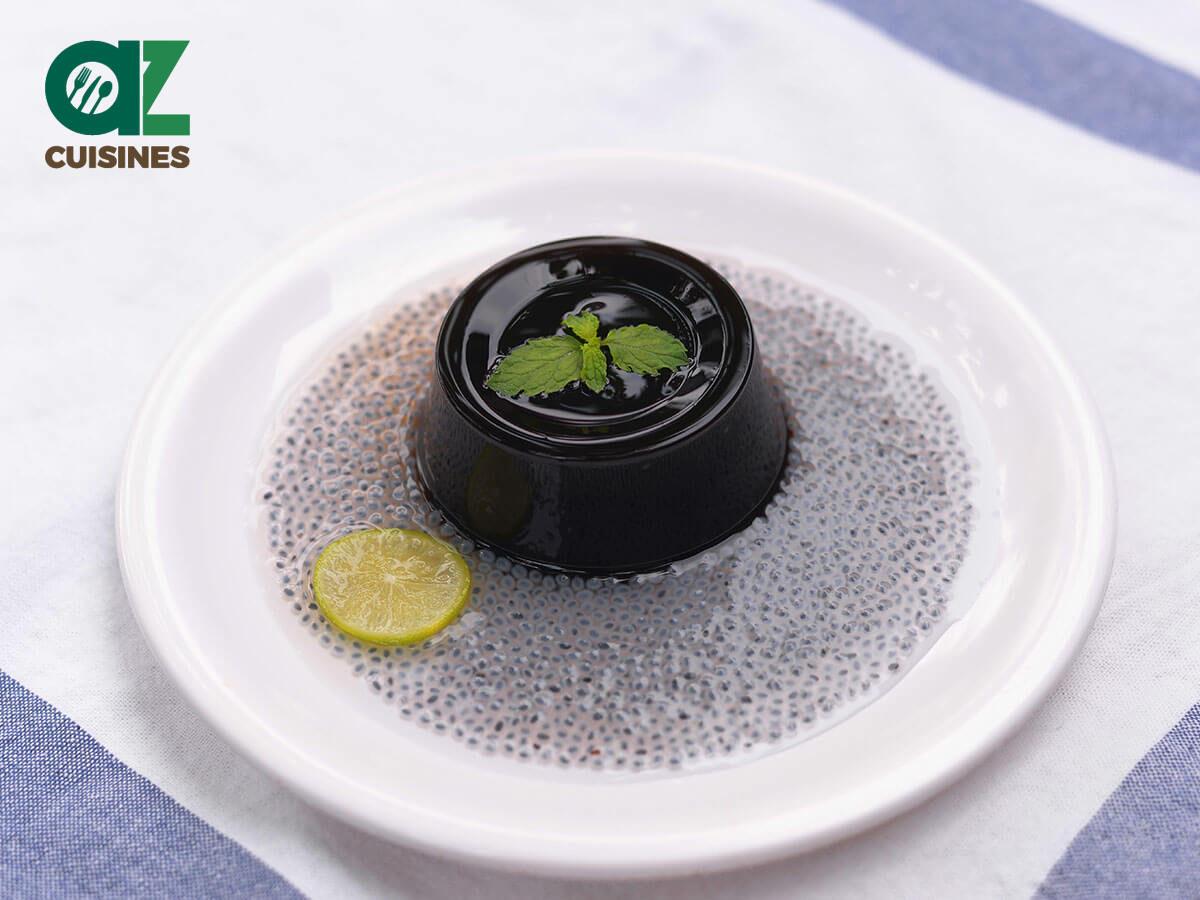
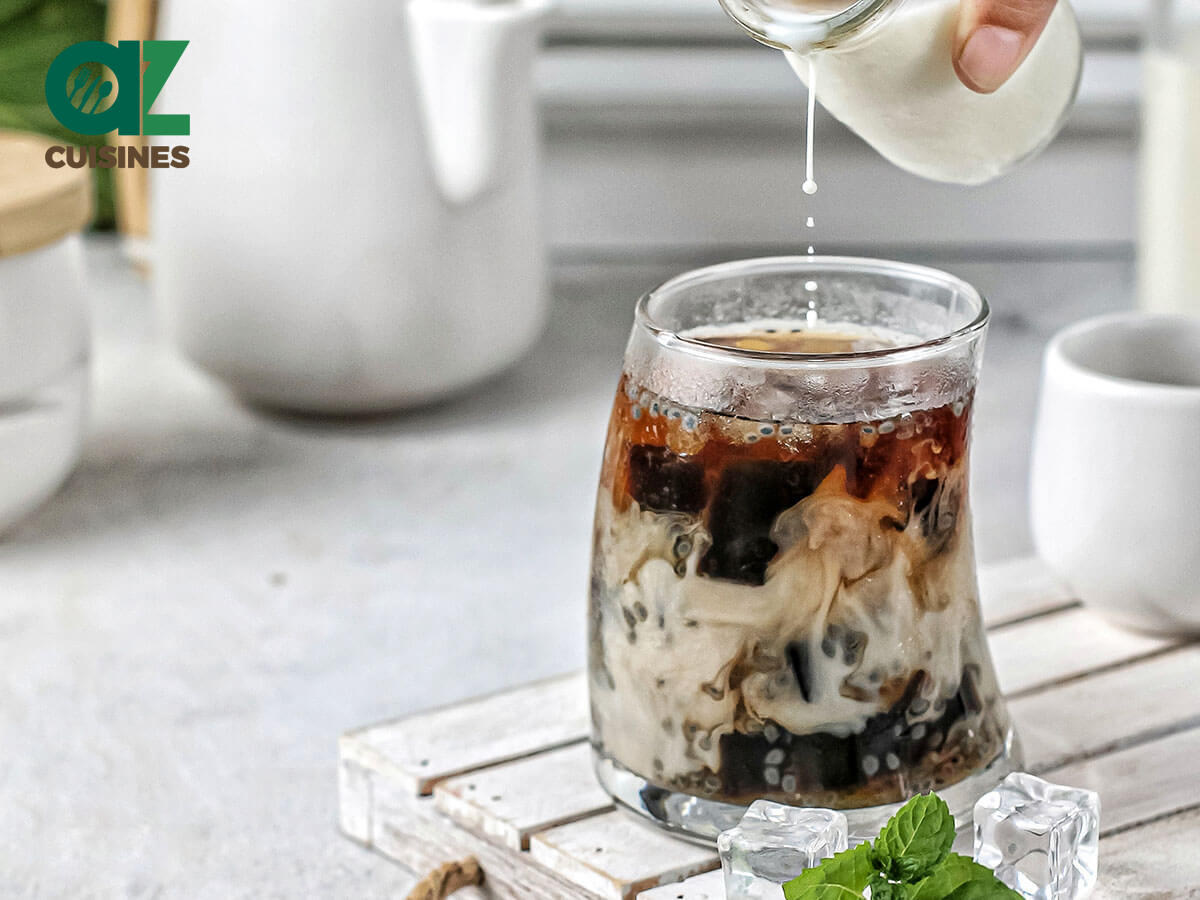
Sương sáo hạt é is a popular Vietnamese dessert known for its sweet, refreshing taste and cooling effect on the body. The dessert is easy to make, involving basic ingredients like sương sáo (grass jelly), hạt é (basil seeds), sugar syrup, coconut milk, or fresh milk.
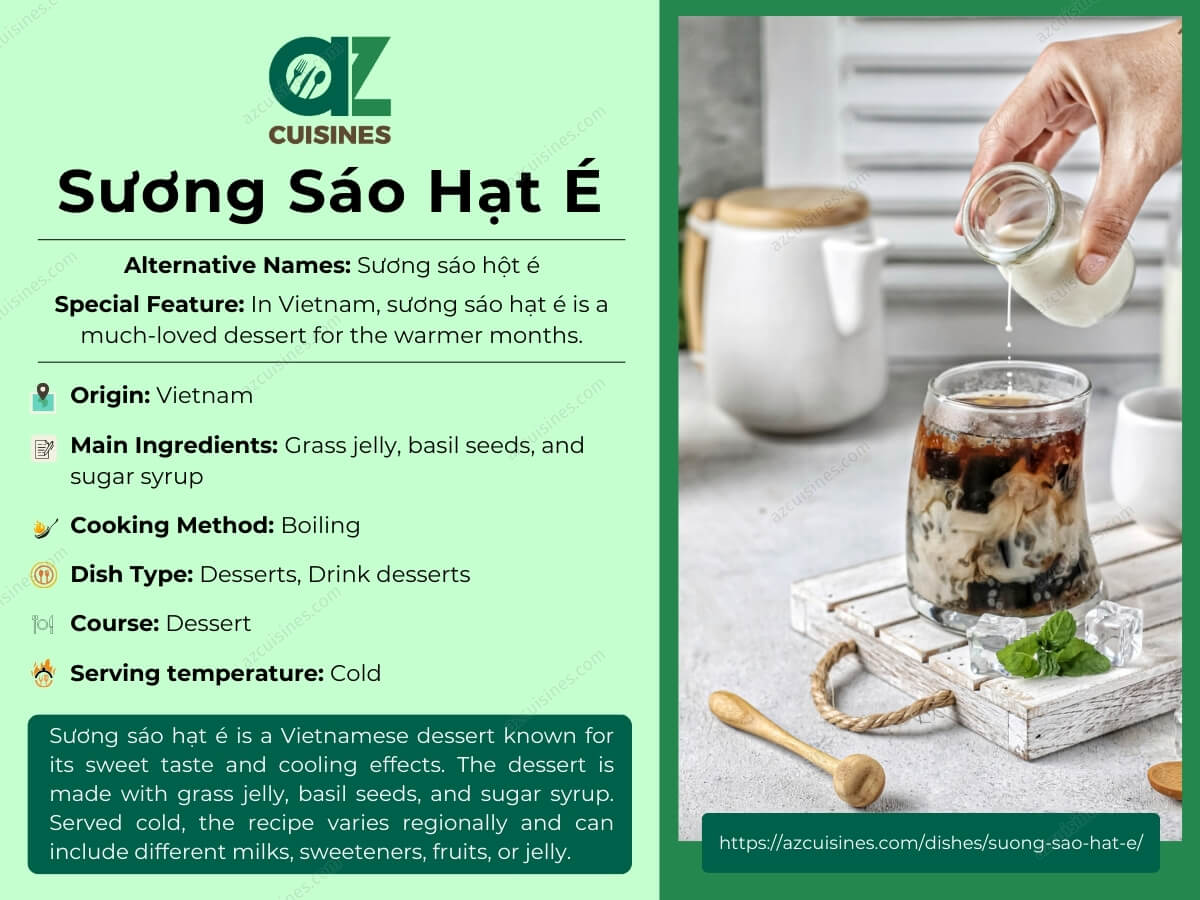
The process starts with rinsing the basil seeds and then soaking them in cold water until they swell. The black grass jelly powder is then used to create a jelly-like substance, which, when combined with the swollen basil seeds, creates a distinct texture that’s both chewy and crunchy.
This mixture is often served cold, and there are various regional and personal variations in the recipe, which can include different types of milk, sweeteners, and additional ingredients like fruit or jelly. Additionally, it’s particularly enjoyed during hot days for its cooling properties.
Allow me to navigate you through the specifics of the dish, including its diverse forms, benefits and drawbacks, typical questions, and related culinary options.
Key Points
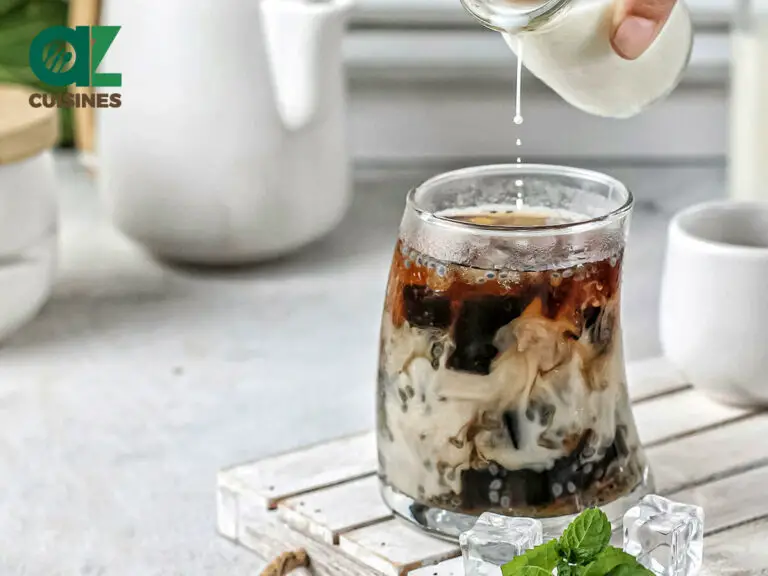
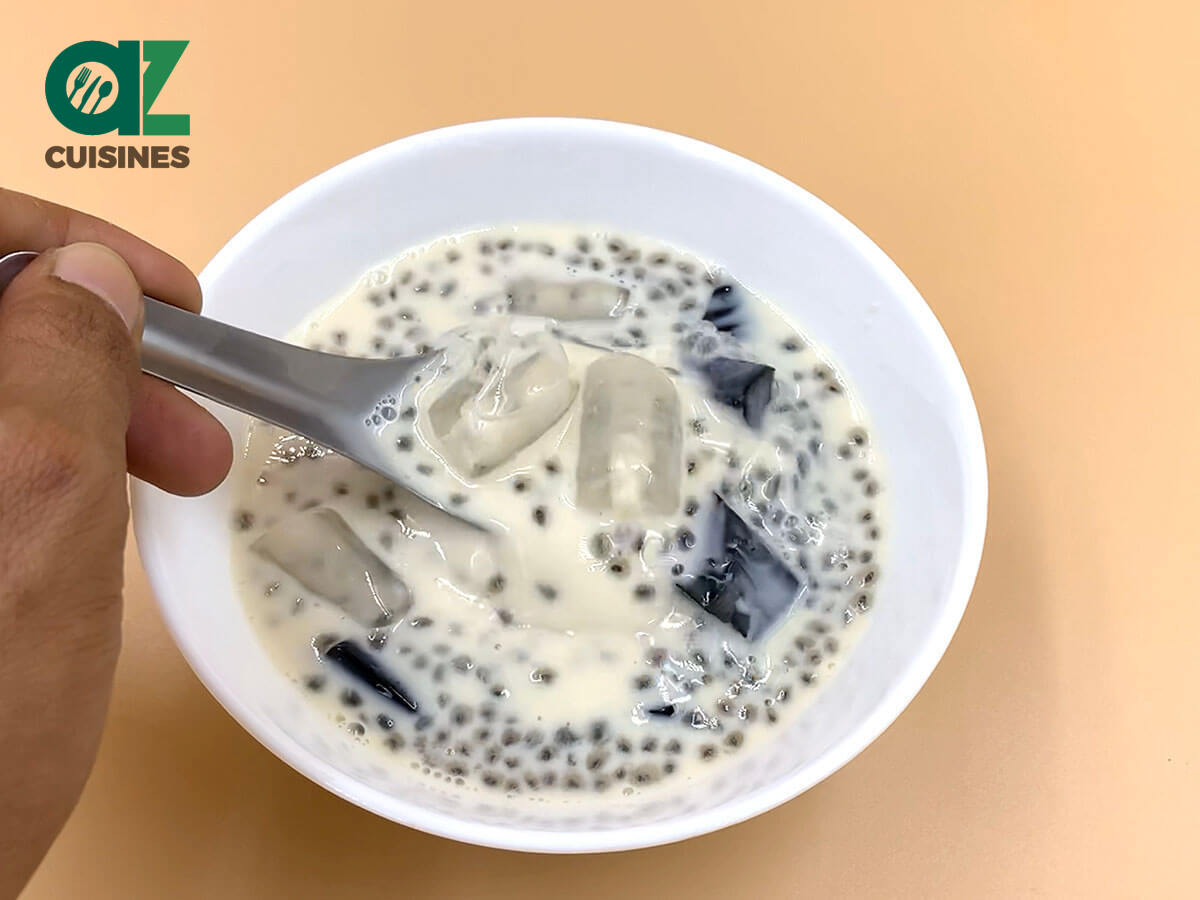
Sương Sáo Hạt É Images
What to Serve with Sương Sáo Hạt É?
Accompaniments to consider for a complete sương sáo hạt é experience are listed below:
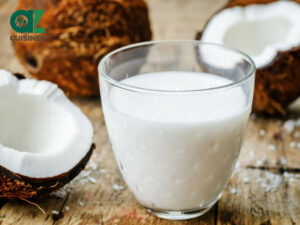
Coconut Milk
A combination of soft, chewy black and white grass jelly with rich, creamy coconut milk, and soft, swollen basil seeds.
Sugar Syrup
Grass jelly, sweetened with a mix of rock and white sugar, and soft basil seeds. It’s a light and refreshing dessert, often served with ice.
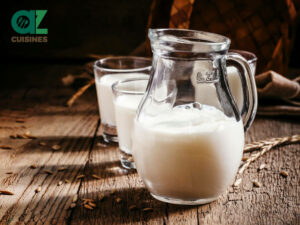
Fresh Milk
A layer of soft, dark grass jelly, topped with swollen basil seeds and sweetened fresh milk.
While these accompaniments enhance the texture and taste of sương sáo hạt é, it’s important to weigh the pros and cons.
Pros and Cons of Eating Sương Sáo Hạt É
Let’s explore the upsides and downsides of this dish:
Pros
Cons
Additionally, be sure to check out the frequently asked questions.
Sương Sáo Hạt É FAQs
Similar Dishes of Sương Sáo Hạt É
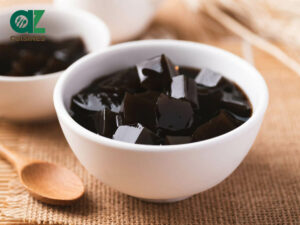
Thạch Sương Sáo
Thạch sương sáo is a Vietnamese dessert made from Chinese mesona, a species of plant.
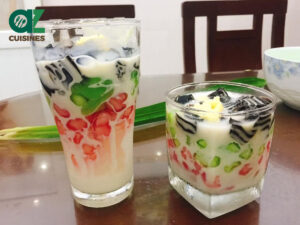
Chè Sương Sa Hạt Lựu
Chè sương sa hạt lựu is a Vietnamese drink dessert with jelly, tapioca-based pomegranate seeds as two main components.
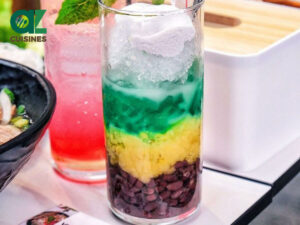
Chè Ba Màu
Chè ba màu is a Vietnamese sweet soup made with adzuki beans, mung beans, pandan jelly, and coconut milk.

Truc Tran (Kris)
Senior Food Editor
Expertise
Home Cooking, Meal Planning, Recipe Development, Baking and Pastry, Food Editor, Cooking-video Maker, Vietnamese Food Evaluation Expert
Education
Truc Tran (Kris), an experienced food writer and editor, is great at exploring and describing global cuisines, from simple street food to fancy dining. In her writing, she skillfully mixes different flavors, cooking methods, and culinary traditions, showing the unique character of various cultures through their food and drinks. On azcuisines.com, Kris highlights her knowledge, especially in Asian cuisine and worldwide traditional dishes.