

 #67 in Vietnam
Miến: Basic Information
Pronunciation
Alternative Name(s)
Dish Type
Course
Mealtime
Miến: Origin and Region
Origin
Continent’s Region
Country’s Region
Associated Region
Popular Miến Variations
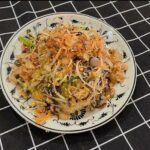
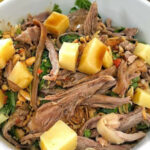
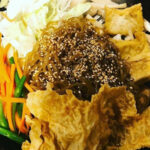
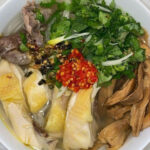

Miến: Ingredients and Preparation
Main Ingredients
Main Cooking Method
Preparation Process
Miến: A Deep Dive
Cultural Significance
Taste
Texture
Aroma
Color
Serving Style
Serving Temperature
Accompaniment
Occasions
Seasons
Special Diets
Calories
Popularity
Popular Similar Dishes
- Phở
- Japchae
Popular Dining Area
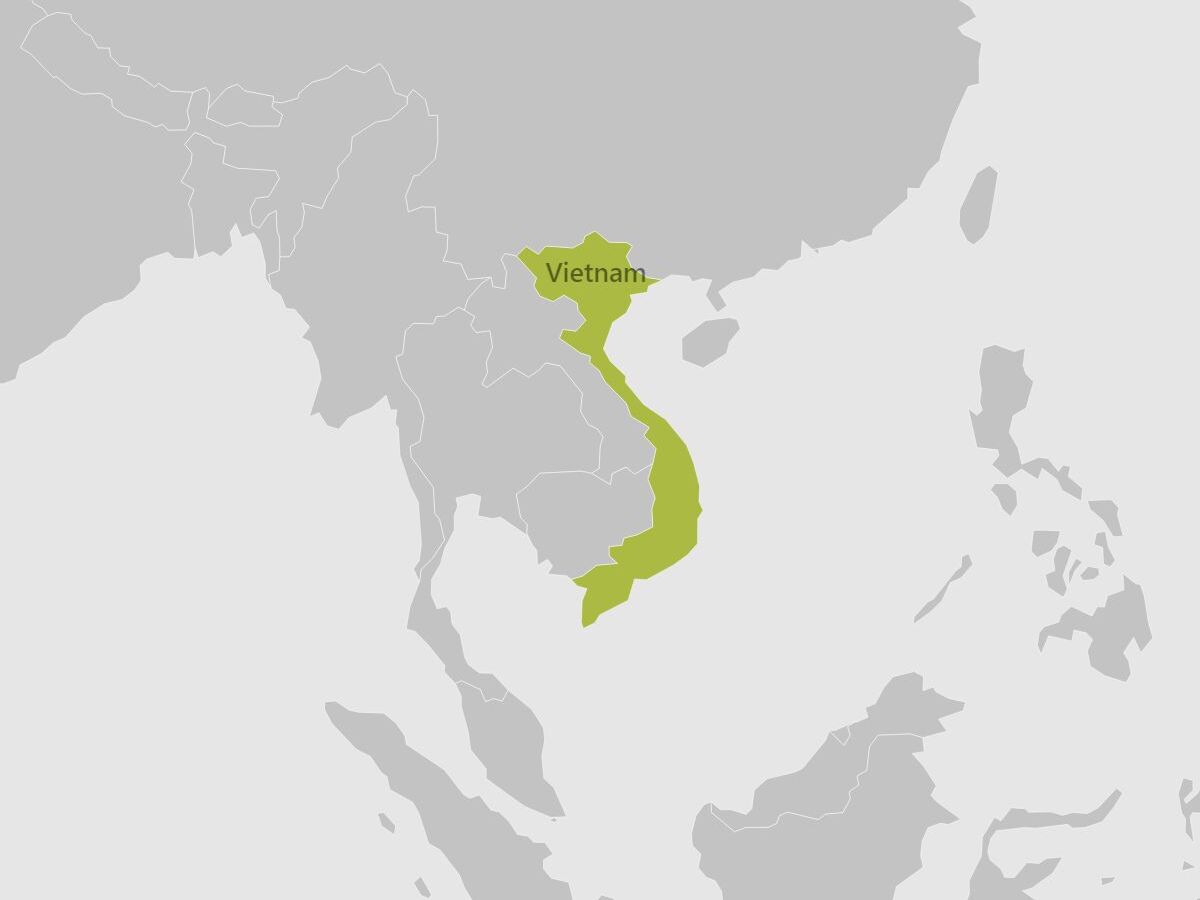
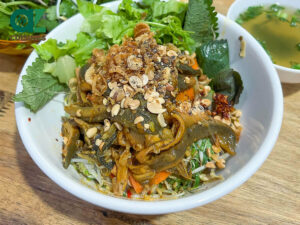
Miến is often known as cellophane noodles, or fensi, a type of glass noodle that has a transparent profile. Typically, miến is made of various starches that give the noodles a slightly chewy and slippery texture.
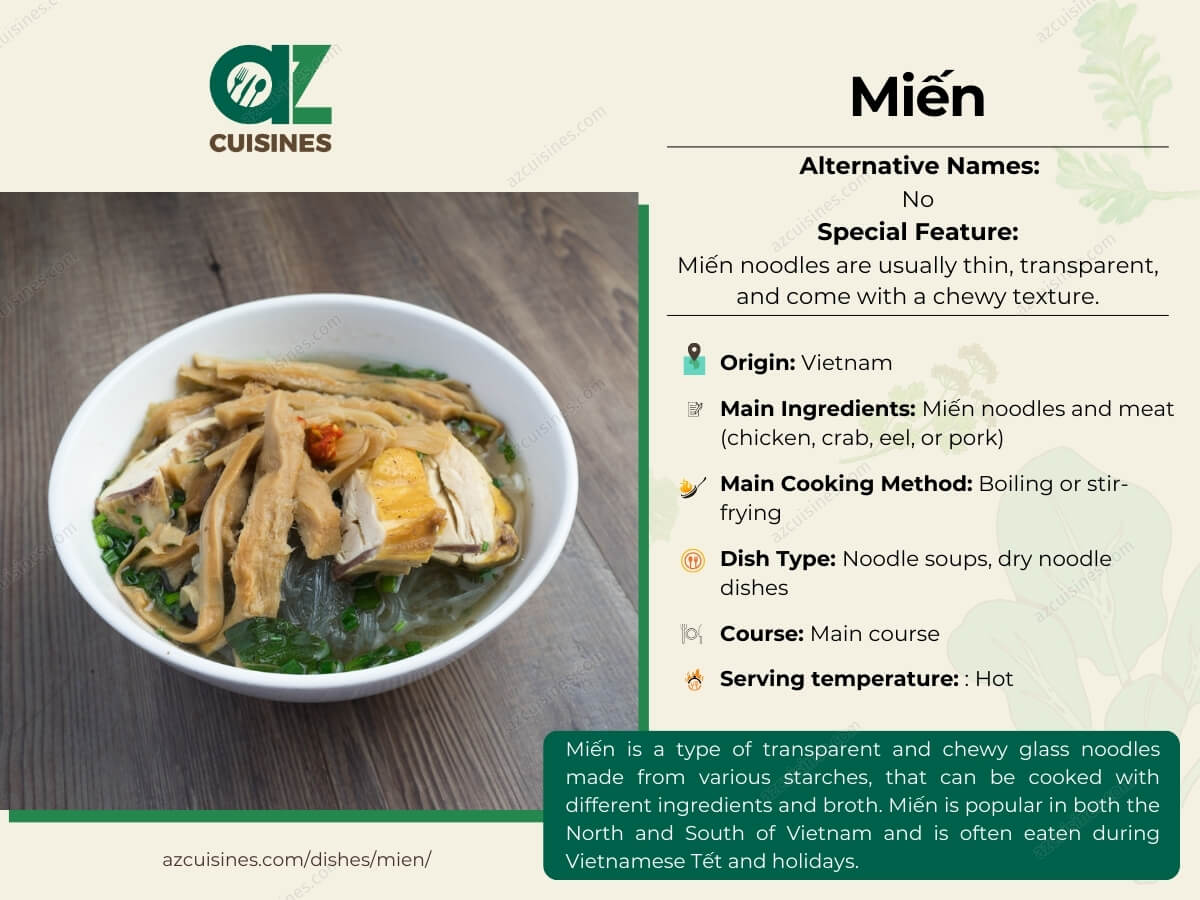
Often comes in dry form, miến requires soaking to soften and rehydrate the noodles. Usually, miến is available in broth-based or dry form, as these glass noodles are compatible with various ingredients, from meat to vegetables.
For serving at street food stalls, people often blanch miến in a broth (made of bone or seafood) before placing the noodles in the bowl.
Interestingly, these glass noodles are a favorite in both the North and South of Vietnam, with Northerners often appearing during Vietnamese Tết and holidays.
Commonly, ingredients like chicken, duck, bamboo, poultry intestines, or shiitake mushrooms are paired with miến.
Thanks to this, miến has various traditional versions all across Vietnam, utilizing ingredients available in the area.
Miến offers various variants of noodles along with several versions of the noodle itself. Also, I suggest having a look at the process of making miến gà (a popular variation) before learning about the positive and negative features of eating this glass noodle.
In case you still have your curiosity running, make sure to check out the common concerns that many readers often have about miến, along with a few dishes that have similar concepts.
Key Points
Miến Images
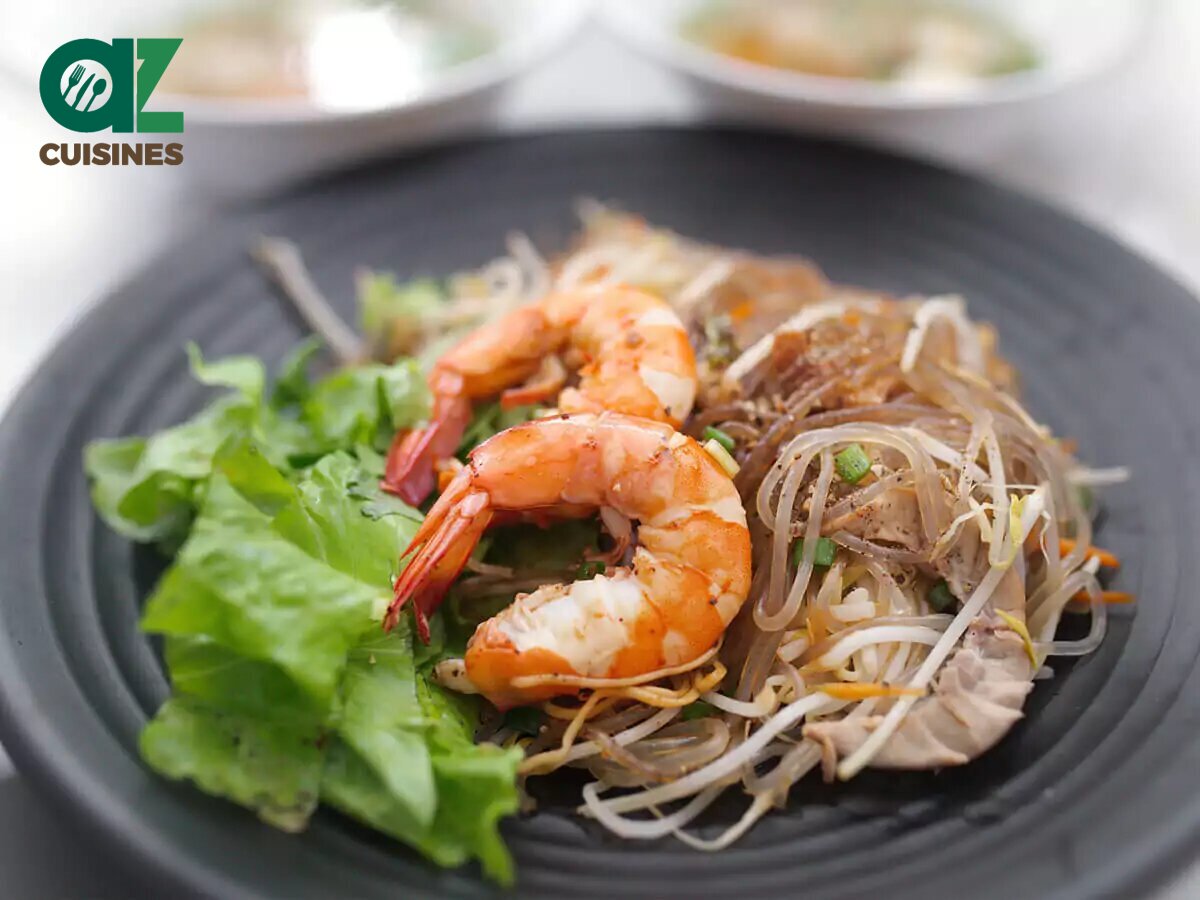
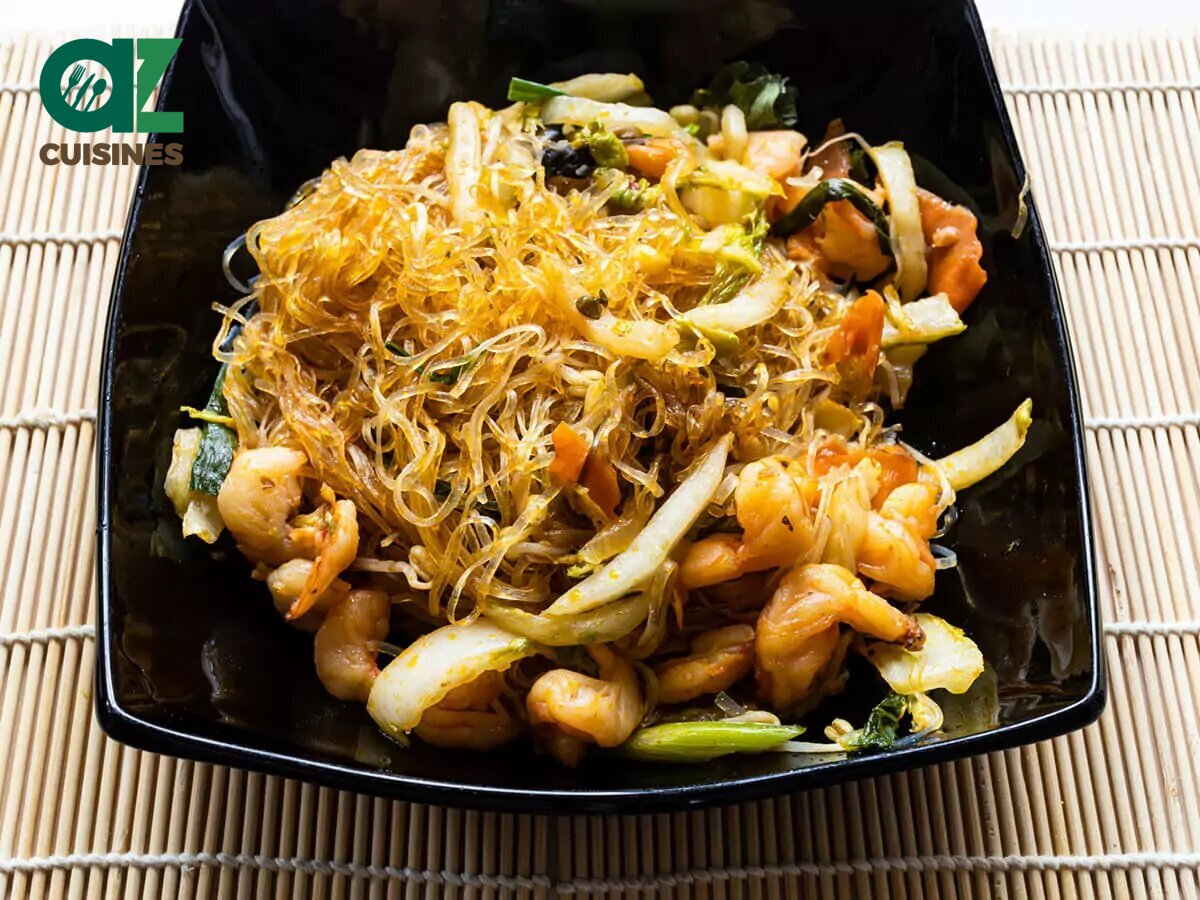
What Are the Types of Miến Noodles?
Commonly, miến is easily found in convenience stores and supermarkets in Vietnam, but the different ingredients used for making the noodles will result in different textures. For that, here are 7 common miến noodles that you will encounter in Vietnam:
Mixed Miến
A combination that creates a unique texture and flavor profile
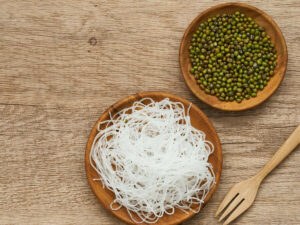
Miến Đậu Xanh
Has a high content of amylose (50%) resulting a chewier texture
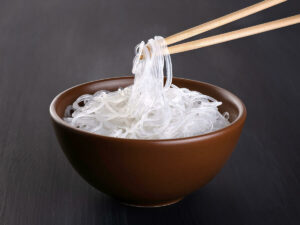
Miến Gạo
Contain around 90% of rice starch in the miến noodles
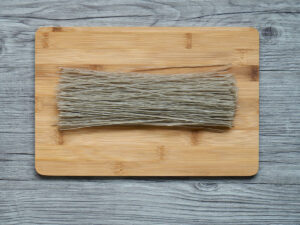
Miến Dong
Known for a chewier texture but with a light gray color
Has a high protein content
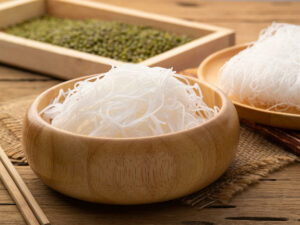
Miến Tươi (Fresh Miến)
Miến noodles that have already been soaked and are ready for cooking
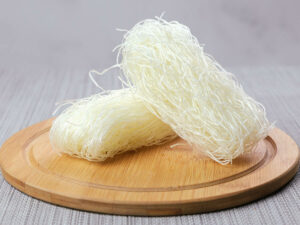
Miến Khô (Dry Miến)
Require soaking to rehydrate before cooking to achieve a chewy texture
Miến Gói (Packaged Miến)
Produced by various brands in Vietnam, usually have the least chewy texture
After introducing you to the various noodle types of miến, let me bring you to the various versions of miến in Vietnam.
What Are the Versions of Miến?
As miến is simply glass noodles, they pair perfectly with a diverse range of ingredients, producing various adaptations across the regions of Vietnam:
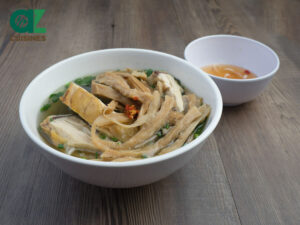
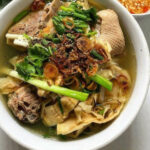
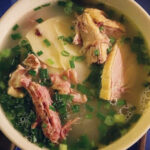
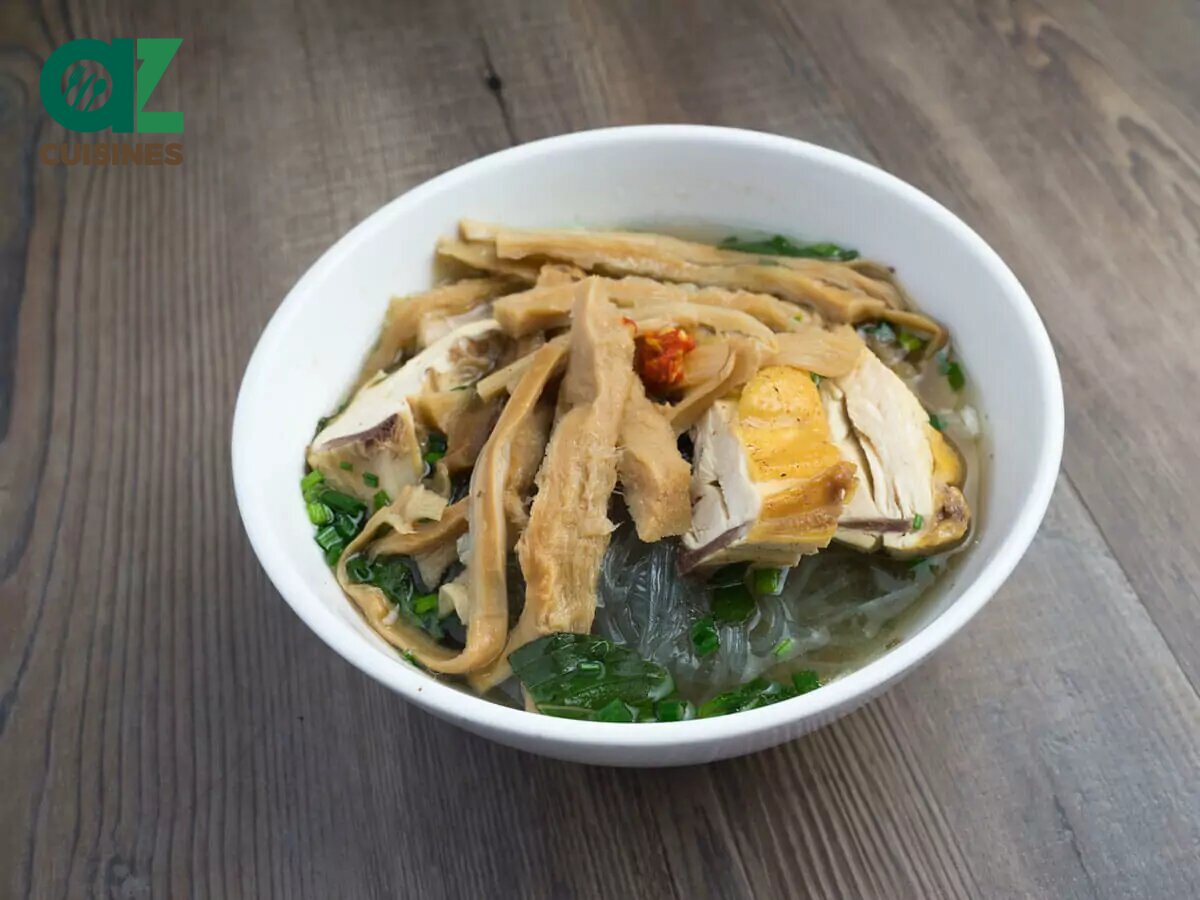
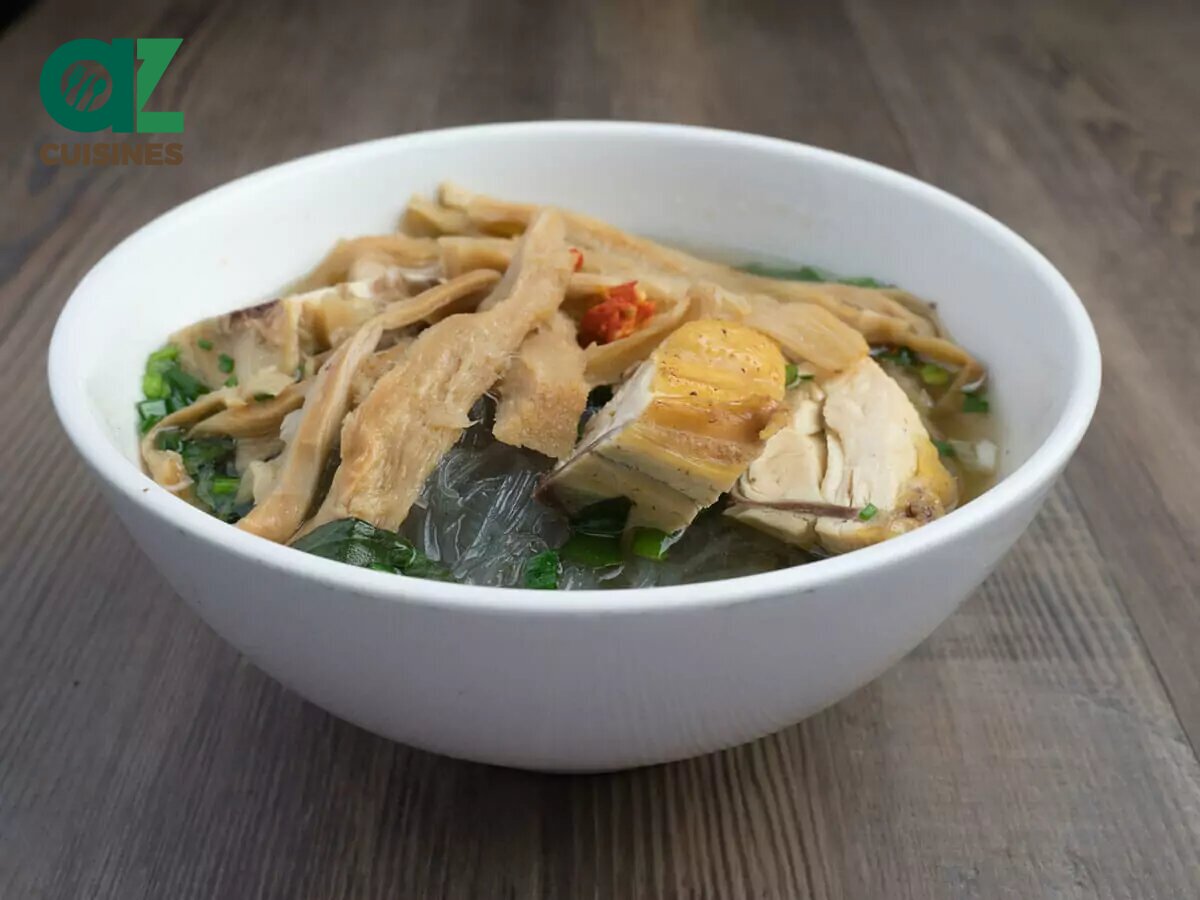
Miến Gà
A comforting noodle soup with a clear, savory chicken broth
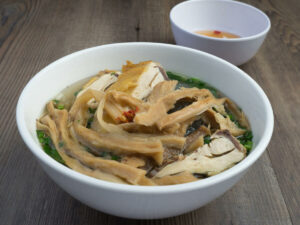
Miến Măng Gà
A miến gà version with the addition of dried or fresh bamboo shoot
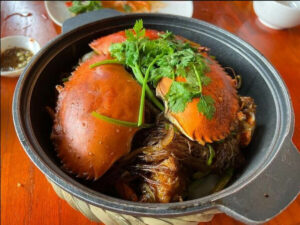
Miến Xào Cua
Stir-fried glass noodles with crab meat
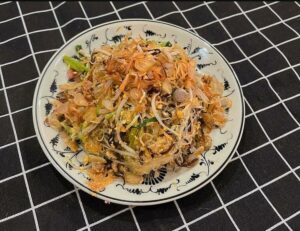
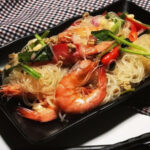
Miến Xào Thập Cẩm
A stir-fried medley of seafood and vegetables with glass noodles
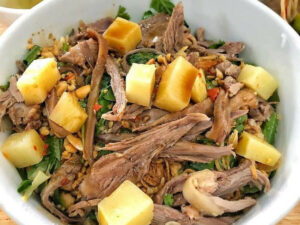
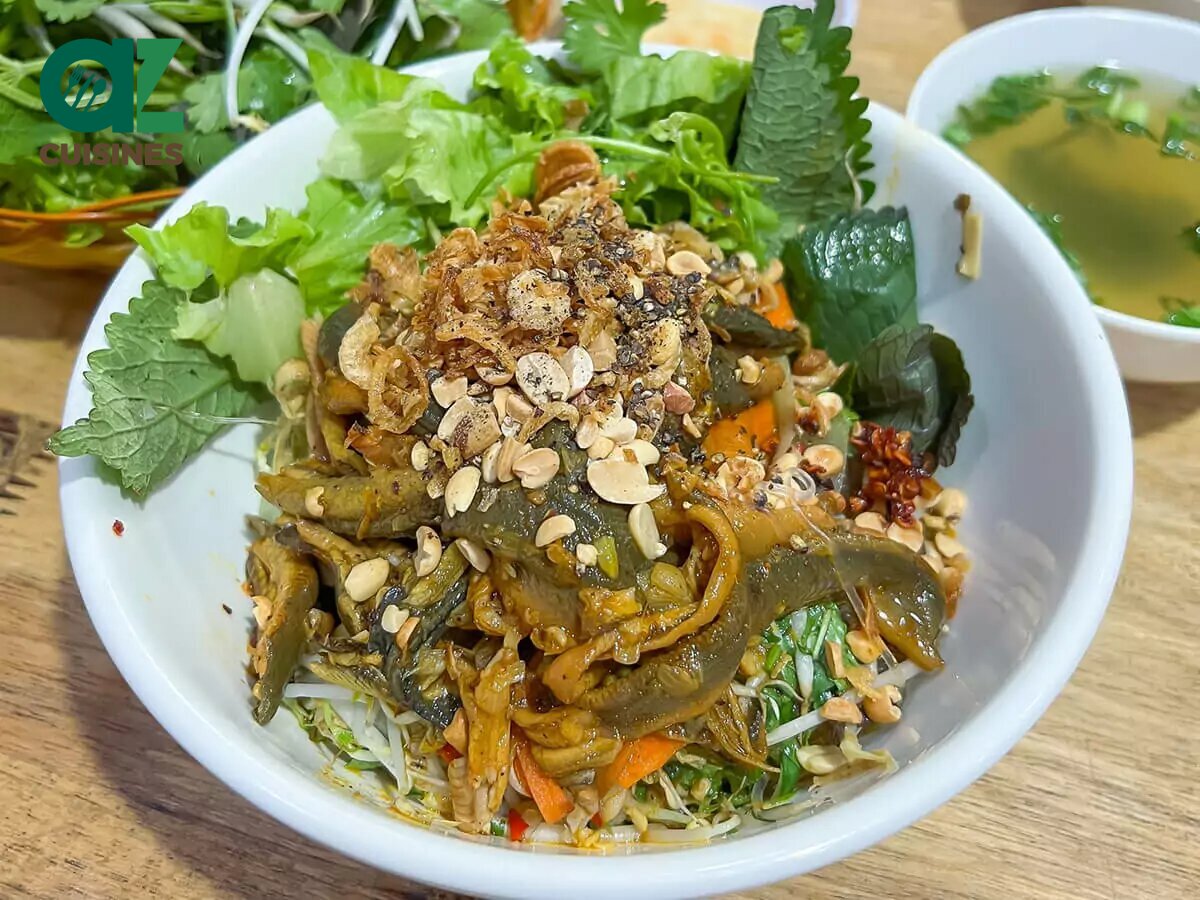
Miến Ngan Trộn
A mixed miến version utilizing the lean and less fatty meat of muscovy duck
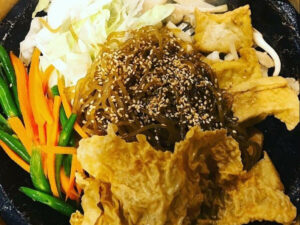
Miến Xào Chay
A vegetarian option with stir-fried vegetables
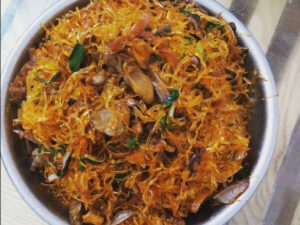
Miến Xào Lòng Gà
Stir-fried noodles with chewy, flavorful chicken inners
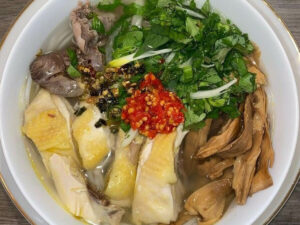
Miến Măng Gà Trứng Non
A rich dish combining many parts of chicken with bamboo shoots
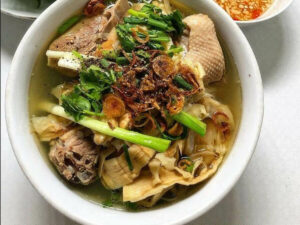
Miến Măng Vịt
A hearty noodle soup with duck and the added texture of bamboo shoots
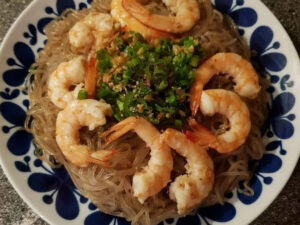
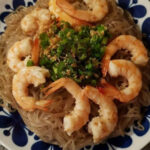
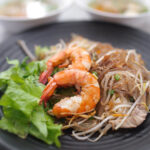
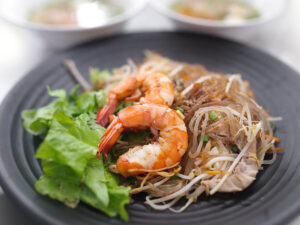
Miến Xào Tôm
A stir-fried form of glass noodles with succulent shrimp
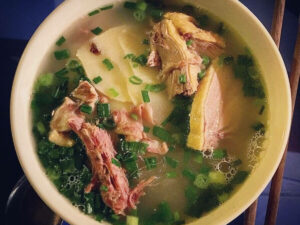
Miến Ngan Nước
A comforting version of miến ngan trộn but served in a broth
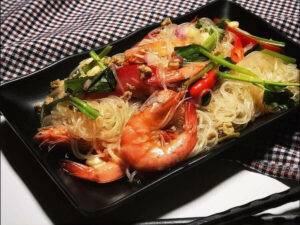
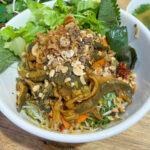
Miến Trộn Kiểu Thái
A Thai-style mixed glass noodle salad
Once you’ve learned about the various forms of miến, allow me to introduce you to the process of creating a tasty bowl of miến gà.
How to Make Miến Gà?
To make miến gà, the first thing you need to know is to handle the miến or glass noodles before proceeding to take care of other ingredients. For your sake, here are the processes of producing a lovely bowl of miến gà:
Step 1: Prepare the Miến
Soak the glass noodles in warm water until soft, drain, and cut into manageable lengths.
Step 2: Prepare the Chicken
Clean the chicken and simmer it in a pot of water with ginger and onions until it’s fully cooked.
Step 3: Cook the Chicken
Once cooked through, remove the chicken, let it cool, shred it into pieces, and set aside.
Step 4: Prepare the Broth
Skim the bone broth to clear it of impurities, then season with fish sauce, salt, and pepper, and add mushrooms if using.
Step 5: Assemble the Dish
Reheat the broth, blanch the warm noodles to warm them, then place noodles in bowls and ladle the hot broth over them with shredded chicken on top.
Step 6: Garnish and Serve
Garnish with chopped cilantro and green onions, and serve hot, offering lime wedges, fresh herbs, and sliced chili on the side.
Once you’ve noted all the procedures that need to be taken care of, make sure to look into the pros and cons of consuming miến.
Pros and Cons of Eating Miến
Miến has numerous options to consider for your next meal. For that, you should also be aware of the benefits and drawbacks when having miến as your next food item.
Pros
Cons
Also, I suggest having a peek at some of the inquiries that many often wonder about miến, especially when you’re planning to prepare it for your family.
Miến FAQs
Similar Dishes of Miến
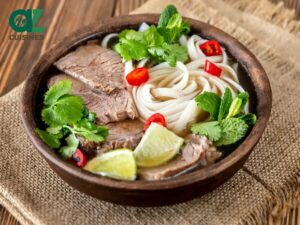
Phở
Phở is a popular Vietnamese noodle soup with beef or chicken in an aromatic broth.

Truc Tran (Kris)
Senior Food Editor
Expertise
Home Cooking, Meal Planning, Recipe Development, Baking and Pastry, Food Editor, Cooking-video Maker, Vietnamese Food Evaluation Expert
Education
Truc Tran (Kris), an experienced food writer and editor, is great at exploring and describing global cuisines, from simple street food to fancy dining. In her writing, she skillfully mixes different flavors, cooking methods, and culinary traditions, showing the unique character of various cultures through their food and drinks. On azcuisines.com, Kris highlights her knowledge, especially in Asian cuisine and worldwide traditional dishes.