

 #83 in Vietnam
Mứt: Basic Information
Pronunciation
Alternative Name(s)
Dish Type
Course
Mealtime
Mứt: Origin and Region
Origin
Continent’s Region
Country’s Region
Associated Region
Popular Mứt Variations
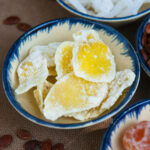
Mứt Gừng
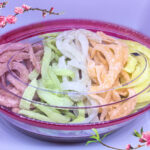
Mứt Dừa

Mứt Hồng
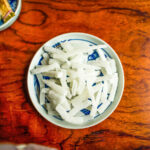
Mứt Bí
Mứt Mãng Cầu
Mứt Cà Rốt
Mứt: Ingredients and Preparation
Main Ingredients
Main Cooking Method
Preparation Process
Mứt: A Deep Dive
Cultural Significance
Taste
Texture
Aroma
Color
Serving Style
Serving Temperature
Accompaniment
Occasions
Seasons
Special Diets
Calories
Popularity
Popular Similar Dishes
- Tanghulu
- Succade
- Candied Fruit
Popular Dining Area
Mứt (globally known as jam) is a group of Vietnamese sweet foods made from various types of fruits, vegetables, tubers, and even seeds, cooked with sugar and other components until their dryness level reaches 65-70%.
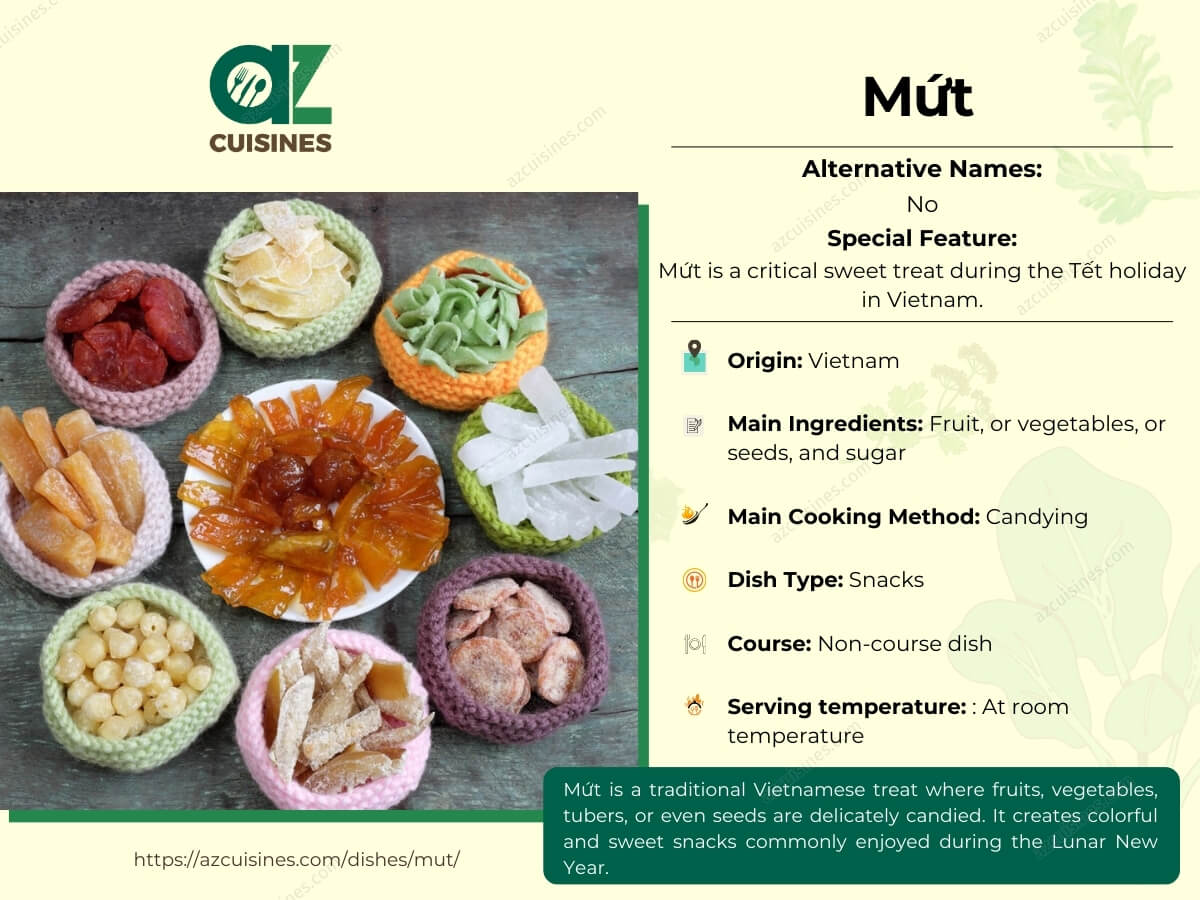
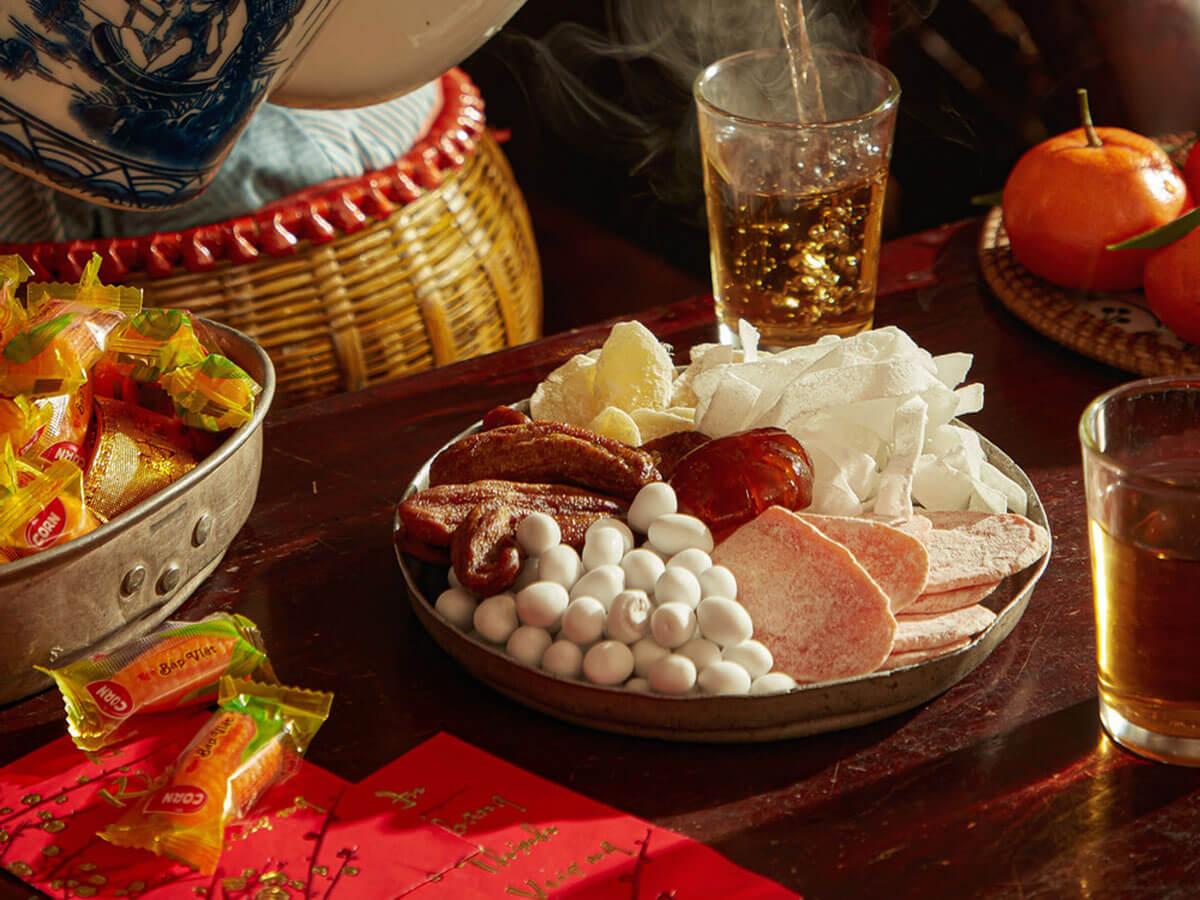
Due to its sweetness, mứt is often accompanied by tea, with the astringency of the tea helping to balance its sweetness.
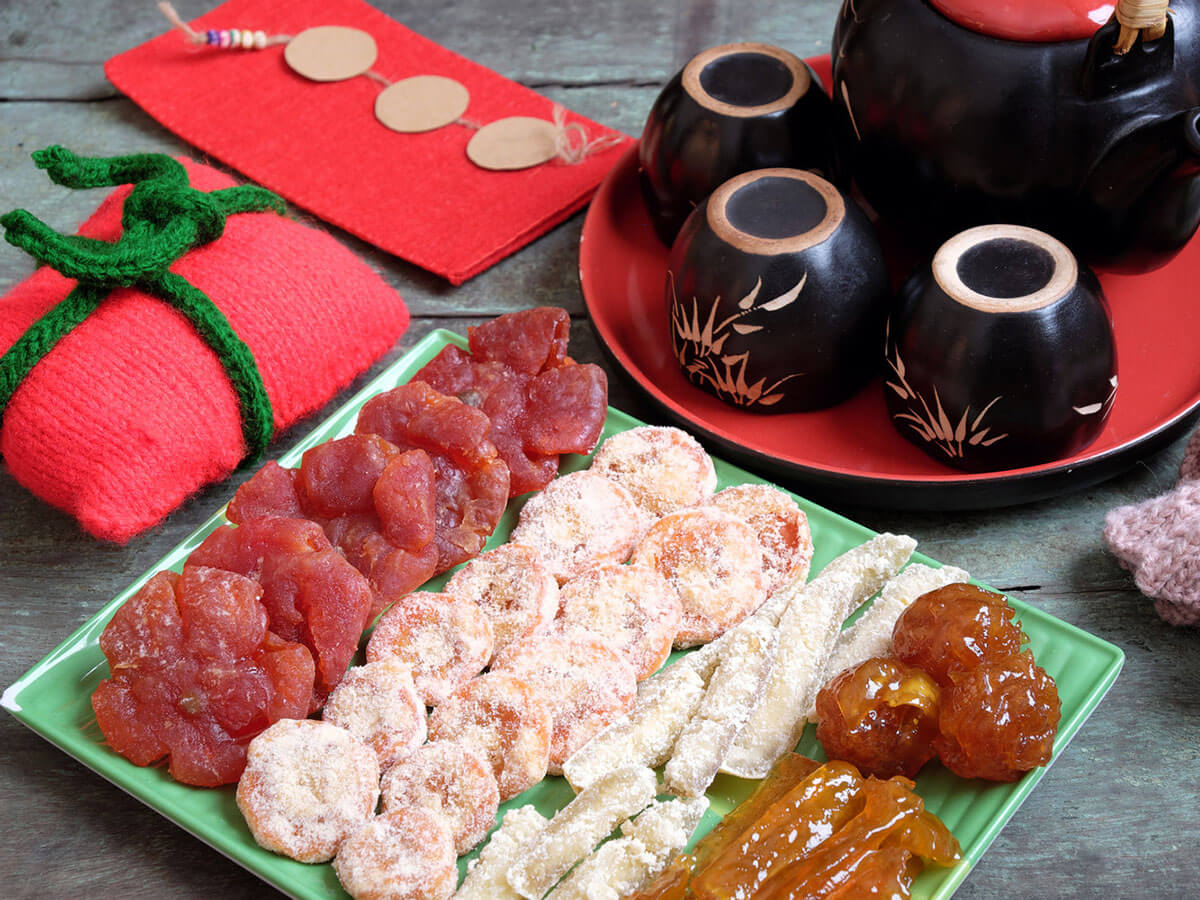
In Vietnam, mứt is normally served as a sweet snack enjoyed on its own. They are especially popular during the Vietnamese Lunar New Year (Tết holiday). A tray of various types of mứt is indispensable during Tết.
Local hosts normally offer their guests some eye-catching and delicious mứt because they believe these foods symbolize good wishes and luck for the new year.
A tray of mứt is also served as a decorative element and represents hospitality.
As a tropical country, Vietnam has several kinds of fruits, allowing it to create many types of mứt.
In the reading, you’ll find some of the most popular Vietnamese mứt and their features. Plus, it is also important to distinguish this Vietnamese sweet treat from Western-style jam.
Later, you’ll have a broader view of mứt by checking its pros and cons with other common concerns relating to this sweet Vietnamese delicacy. So read on!
Key Points
Mứt Images
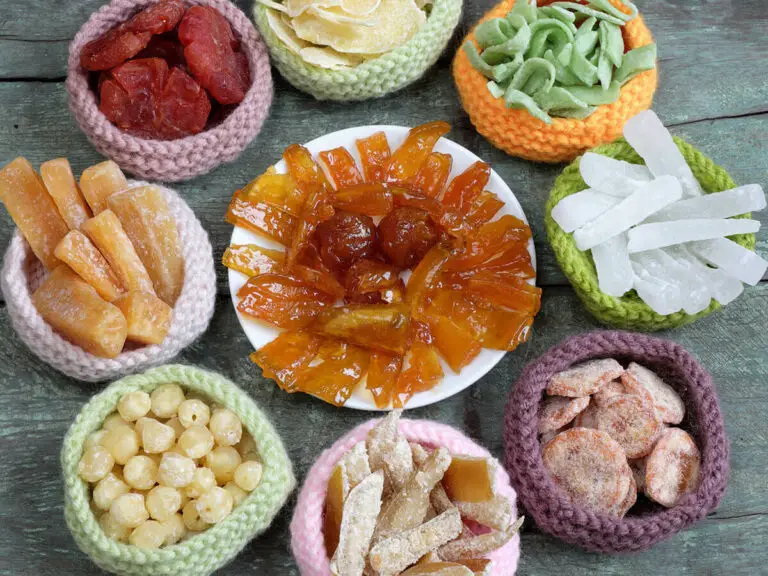
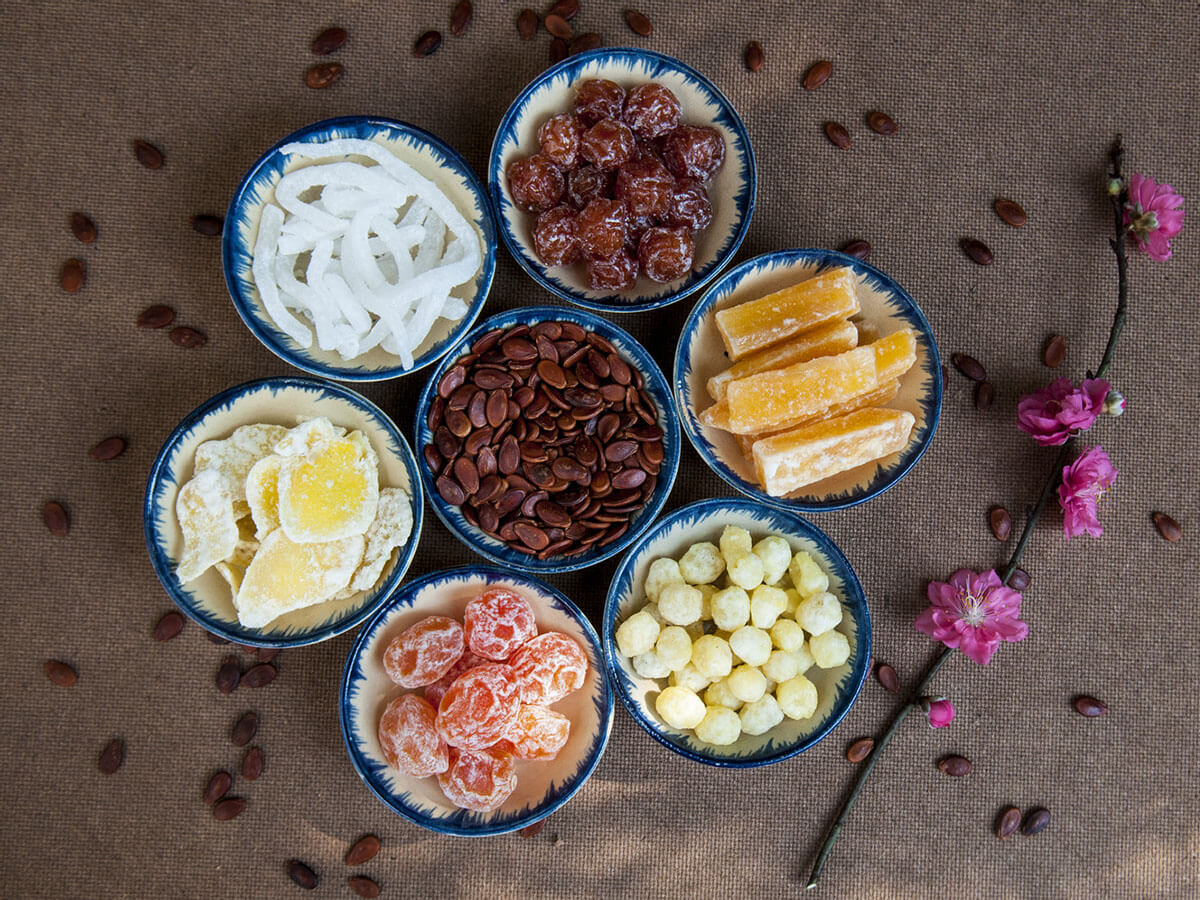
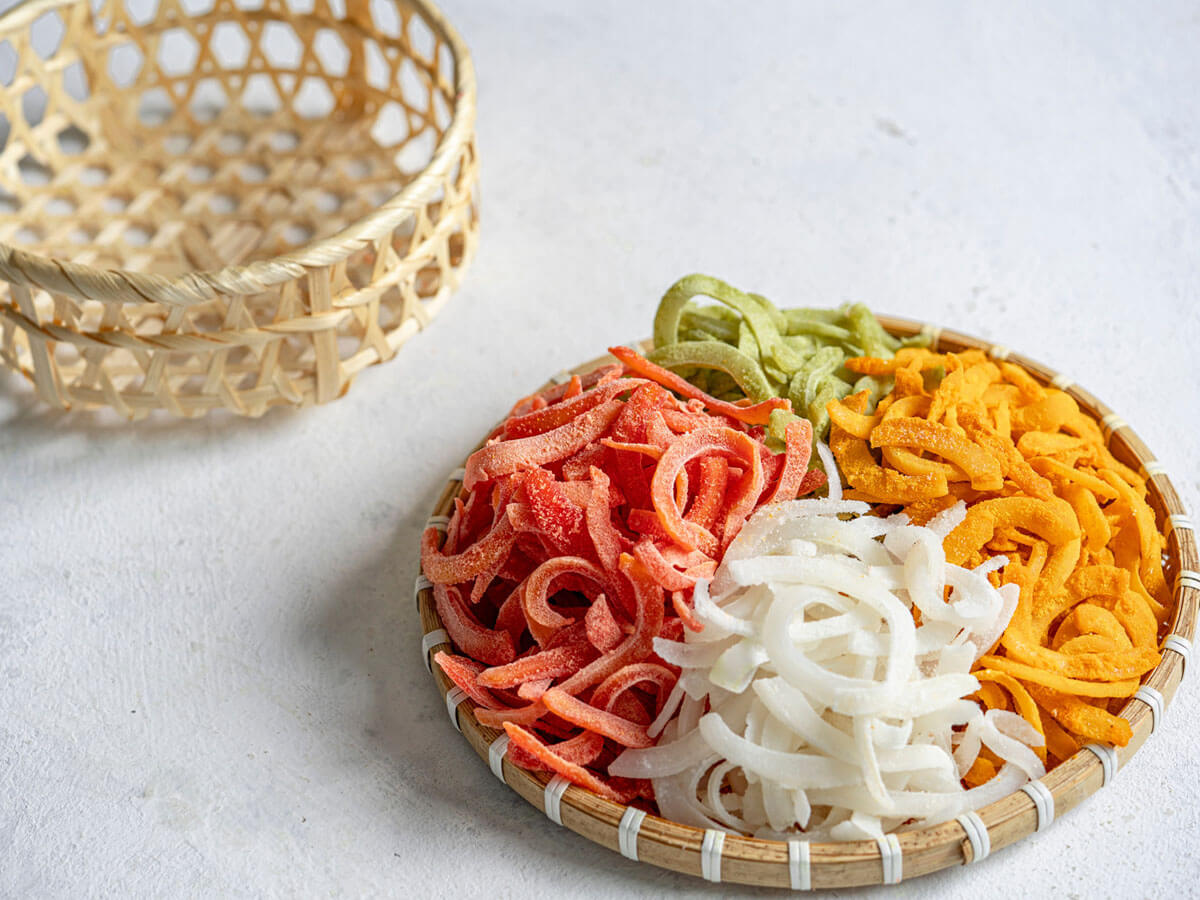
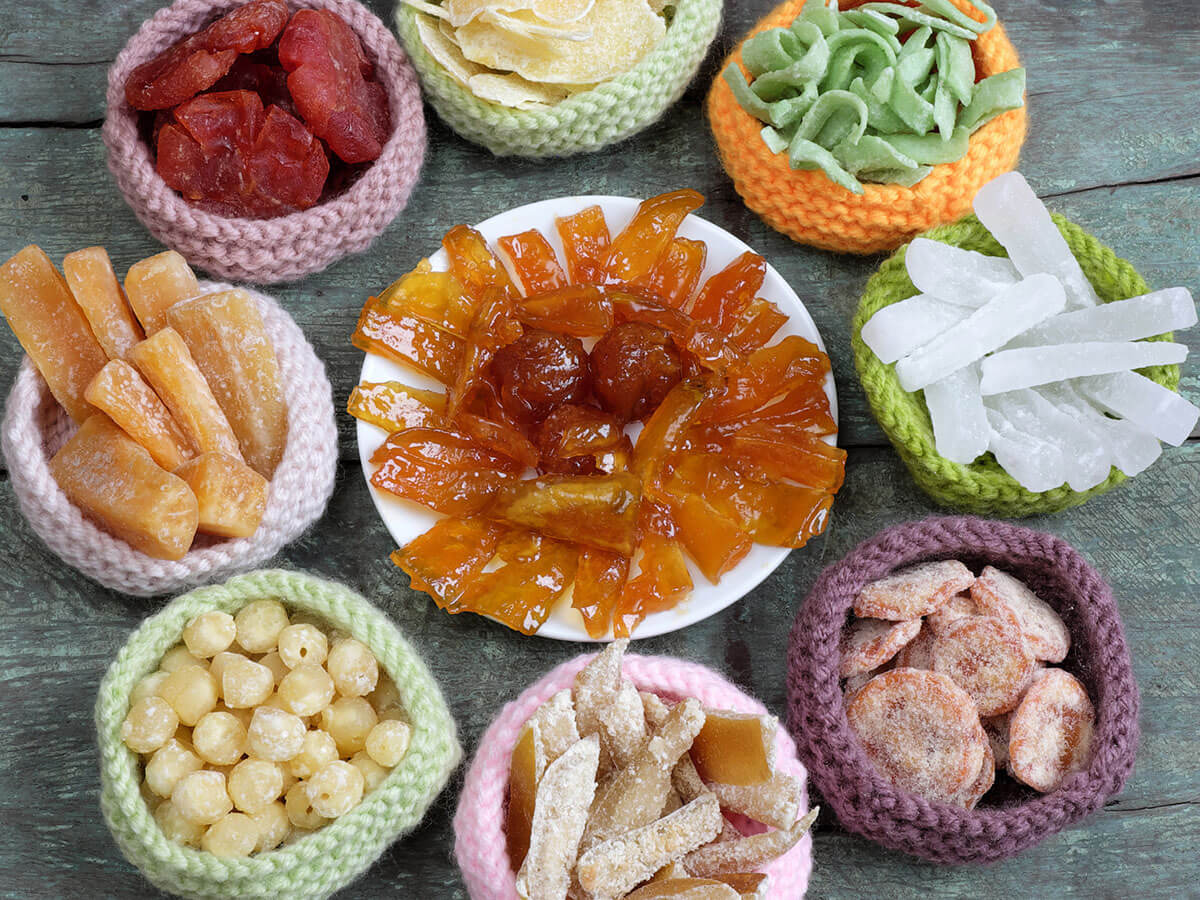
What Are Famous Variations of Mứt in Vietnam?
Mứt Gừng
Made from ginger jam; sweet and spicy flavor and chewy texture.
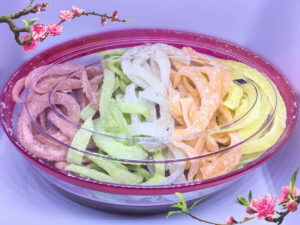
Mứt Dừa
Made from coconut; typically comes in thin slices with a colorful hue.

Mứt Hồng
Made from persimmon; chewy and soft.
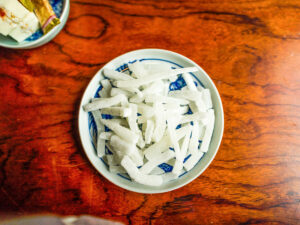
Mứt Bí
Made from winter melon; sweet and slightly earthy.
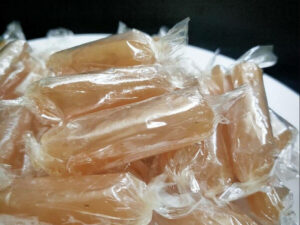
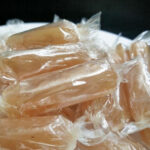
Mứt Mãng Cầu
Made from soursop fruit; sweet with a tangy note.
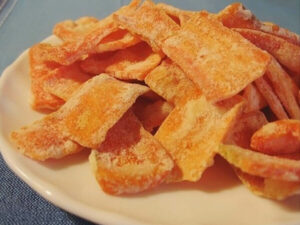
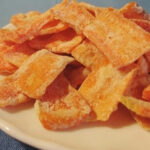
Mứt Cà Rốt
Made from carrot jam; mildly sweet and slightly crunchy.
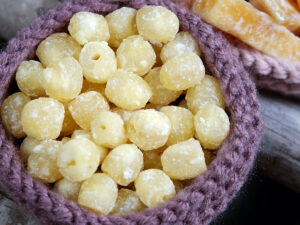
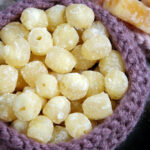
Mứt Hạt Sen
Made from Lotus seed, subtly sweet and fragrant.
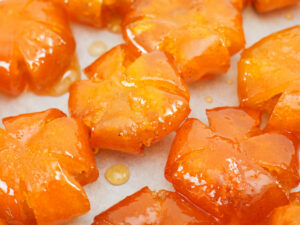
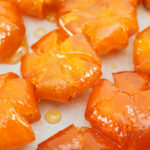
Mứt Tắc
Made from kumquat; tangy and sweet with a slight bitterness.
With these examples of beloved mứt varieties in Vietnam, you might know some dissimilarities between mứt and Western-style jam, right? Indeed, these two are distinctive in several aspects, so read the next section for more insights.
What Are the Differences Between Vietnamese Mứt and Western Jam?
Though mứt can be translated to jam in English, Vietnamese-style mứt is different from Western jam. Let’s check their differences in texture and consistency, preparation methods, fruit content, and how they’re typically served and used in culinary contexts.
Vietnamese Mứt
Texture and Consistency: Dry or semi-dry, candied texture
Preparation Process: Fruits or vegetables are cut and cooked with sugar until candied
Fruit Content: Includes a wide range of fruits and some vegetables, often in larger pieces
Serving and Use: Served as a standalone snack, especially popular during Lunar New Year
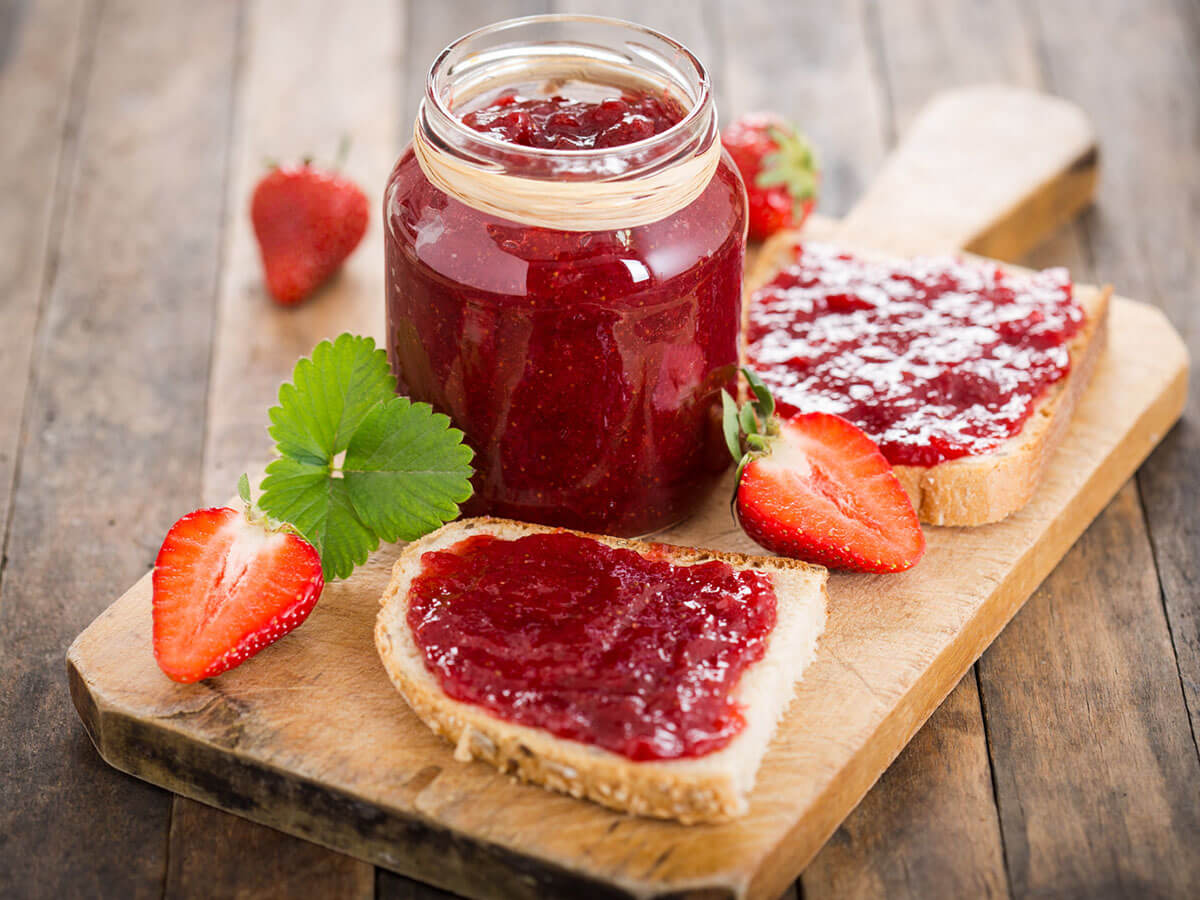
Western Jam
Texture and Consistency: Soft, spreadable, gel-like consistency
Preparation Process: Fruits are cooked with sugar and sometimes pectin to a spreadable consistency
Fruit Content: Primarily made from fruit, usually mashed or pureed
Serving and Use: Spread on bread, pastries, or used in cooking
Understanding these differences, it’s time to uncover some advantages and disadvantages of these Vietnamese sweet treats.
Pros and Cons of Eating Mứt
Here are some good and bad sides of consuming mứt to consider.
Pros
Cons
Lastly, let’s address some common questions people often have about mứt.

Truc Tran (Kris)
Senior Food Editor
Expertise
Home Cooking, Meal Planning, Recipe Development, Baking and Pastry, Food Editor, Cooking-video Maker, Vietnamese Food Evaluation Expert
Education
Truc Tran (Kris), an experienced food writer and editor, is great at exploring and describing global cuisines, from simple street food to fancy dining. In her writing, she skillfully mixes different flavors, cooking methods, and culinary traditions, showing the unique character of various cultures through their food and drinks. On azcuisines.com, Kris highlights her knowledge, especially in Asian cuisine and worldwide traditional dishes.